
REVIEW · LAOS TRAIN TICKETS & TRANSFERS
Chiang Rai: 2-Day Transfer to Luang Prabang by Slow Boat
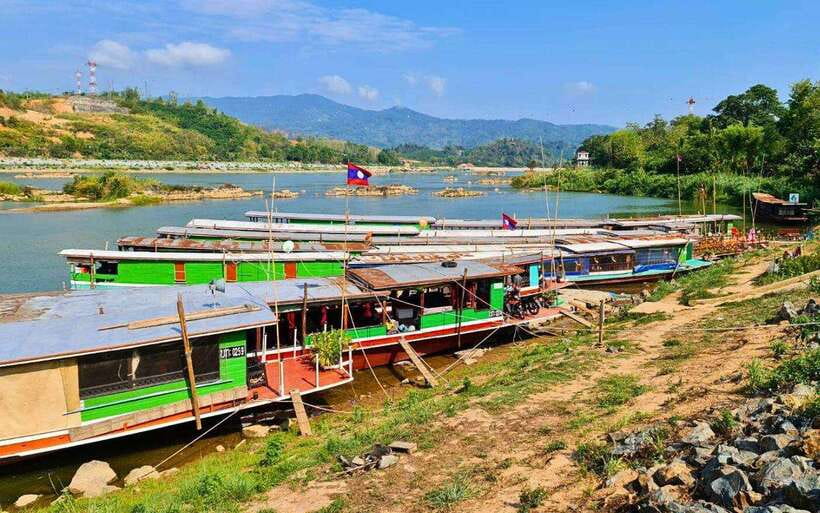
Two days, one slow river glide. This Chiang Rai to Luang Prabang transfer uses a mix of van, bus, and a 2-day slow boat so you can watch the scenery shift from Northern Thailand into calm Mekong river life, with Pakbeng as the overnight reset. You start early, cross the Thai-Lao border by bus, and then settle into the boat rhythm for a simple, repeatable route.
Two things I like a lot: the start-to-finish structure (pickup in Chiang Rai, air-conditioned van to Chiang Khong, and a border bus crossing that keeps you from guessing your way around), and the fact you get a real stop in Pakbeng instead of just passing through. It also helps that you finish Day 2 in Luang Prabang with time to visit Buddhist temples and wander town in the evening.
One thing to consider up front: this is a shared boat trip that can get crowded, especially in high season, and you must stay on the boat for at least 6 hours. If you have motion sickness, back issues, knee or heel pain, or mobility limits, this trip may feel harder than it looks on paper.
In This Review
- Key things to know before you go
- Two Days, One Mekong Ride: What This Transfer Really Feels Like
- Chiang Rai Morning Pickup to Chiang Khong: Start Comfortable
- Thai-Lao Border Crossing by Bus at Friendship Bridge 4: Docs First
- Day 1 on the Slow Boat to Pakbeng: A Real River Day
- Pakbeng Overnight: How to Use the Free Night Wisely
- Day 2 to Luang Prabang: Timing, Seats, and Temple Time
- Price and Value at $75: What You Pay For, What You Still Need
- Crowd Levels, Busy Season, and the 6-Hour Minimum
- Comfort Limits: Seats, Luggage, Jetty Steps, and Motion Sickness
- Border Help Style: Helpful, Then You Continue on Your Own
- Who This Slow Boat Transfer Is Best For
- Should You Book This 2-Day Slow Boat Transfer?
- FAQ
- What is included in the 2-day transfer from Chiang Rai to Luang Prabang by slow boat?
- What is not included, and what should I budget for?
- Do I need to book a hotel in Pakbeng?
- What time do I start in Chiang Rai, and when do I cross the border?
- Is a Laos e-visa enough if I am entering by land?
- What food is available on the slow boat?
- How do I get from the Luang Prabang slow boat terminal to downtown?
Key things to know before you go
- Pakbeng is your overnight plan, and you’ll handle your own hotel booking there.
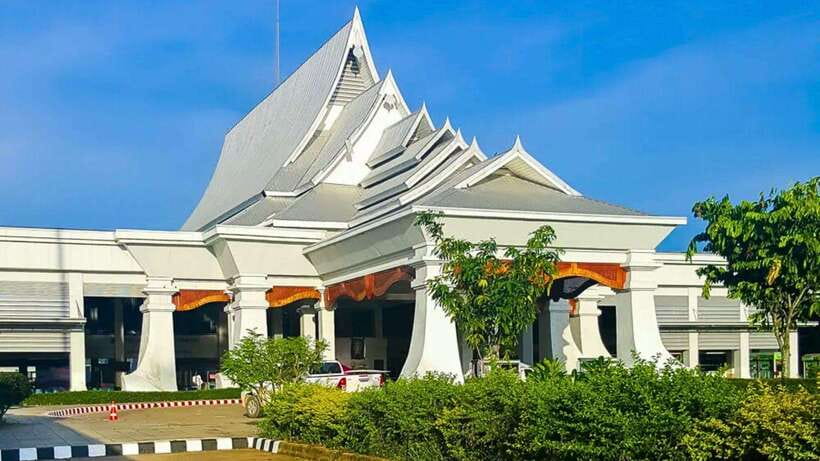
- The border crossing is included by bus, using the Thai-Lao Friendship Bridge No. 4 route.
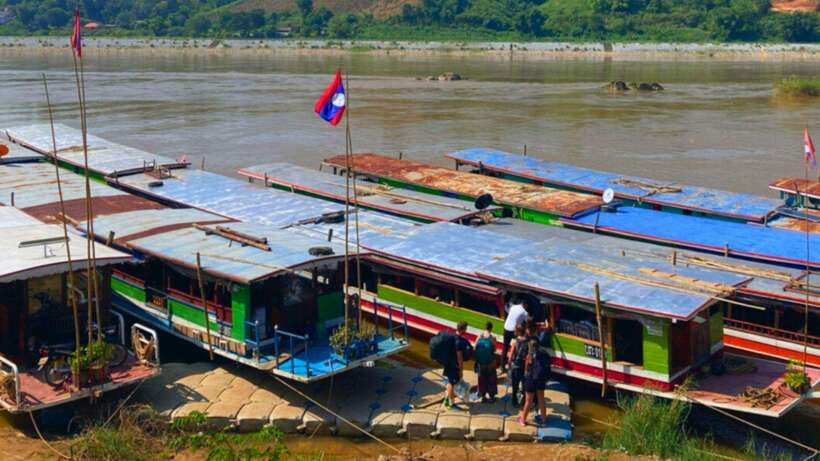
- Slow boat seats can be tight on busy days, so early boarding matters.
- No food is provided on the boat, so bring a packed lunch and plan for cash snacks.
- You carry your luggage off the boat in Pakbeng, then back on the next day.
- Not ideal for motion sickness or serious mobility limits, and the boat day is long.
Two Days, One Mekong Ride: What This Transfer Really Feels Like
This trip is a transfer, yes, but it’s also a slow travel experience. You’re not rushing from temple to temple by minivan, you’re watching the Mekong do what it does: water movement, birds overhead, and long stretches of river calm that make time feel different.
The rhythm is what makes it memorable. A morning bus gets you across the border, then the boat becomes the main event, with a daytime stop in Pakbeng and an afternoon arrival in Luang Prabang.
You should know the trip is designed around staying on the boat for most of the journey. That’s part of the charm, but it also means you need to plan comfort, snacks, and your expectations about crowds.
Still shaping the route? These are the Laos trips our readers open next.

Chiang Rai Morning Pickup to Chiang Khong: Start Comfortable
Your day begins with pickup in Chiang Rai, either from your accommodation in the city center (within a 6-kilometre radius) or from a central meeting point. Pickup is in the early morning by a VIP van with 10 seats, and you’ll also get an English-speaking driver.
Then you transfer by air-conditioned van toward Chiang Khong. This is the practical buffer that makes the slow boat day easier, because it gets you to the river area before you have to think about seats, boarding lines, and luggage.
If you’re the kind of traveler who likes everything timed to the minute, this is still pretty structured. If you’re flexible, you’ll find the early van ride a nice decompression before the long boat hours.
Thai-Lao Border Crossing by Bus at Friendship Bridge 4: Docs First
A big plus here is that the border part is handled in a straightforward way. You cross the Thai-Lao Friendship Bridge No. 4 by bus, which cuts out the need for last-minute navigation and route figuring.
Before you go, make sure your travel documents are ready. You’ll need your passport, and you should expect Laos entry paper arrival card steps even if you have a Laos e-visa, because land arrivals require a paper arrival card at the border.
Also budget for a small immigration fee (about 1 USD). And keep in mind the visa photo requirement can matter if it isn’t already captured for your e-visa, though the operator says help is available at the border.
The real-world takeaway is simple: keep everything easy to reach in your day bag. Border crossings are where travelers lose time when they’re hunting through a main suitcase.
Day 1 on the Slow Boat to Pakbeng: A Real River Day
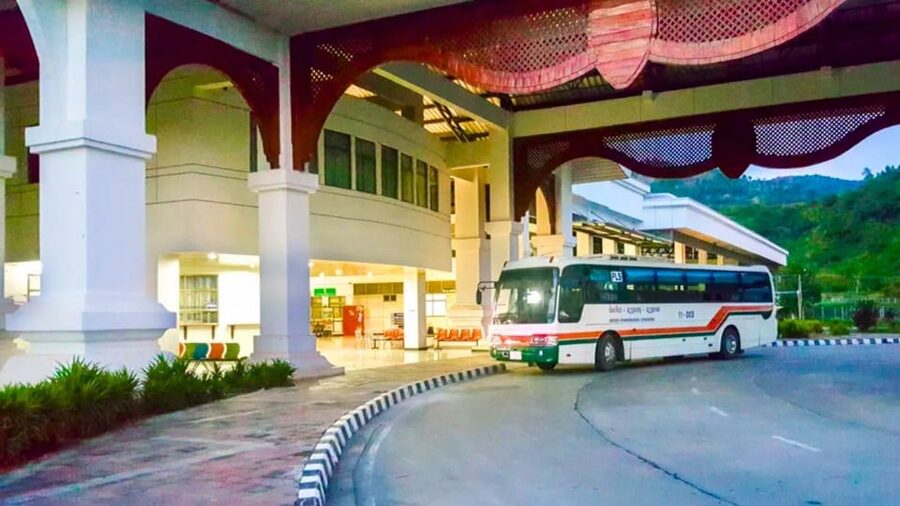
Day 1 is designed to get you onto the boat in time to enjoy the views. After the morning crossing, you begin a peaceful boat trip to Pakbeng and you’re out there long enough to actually feel the river atmosphere shift.
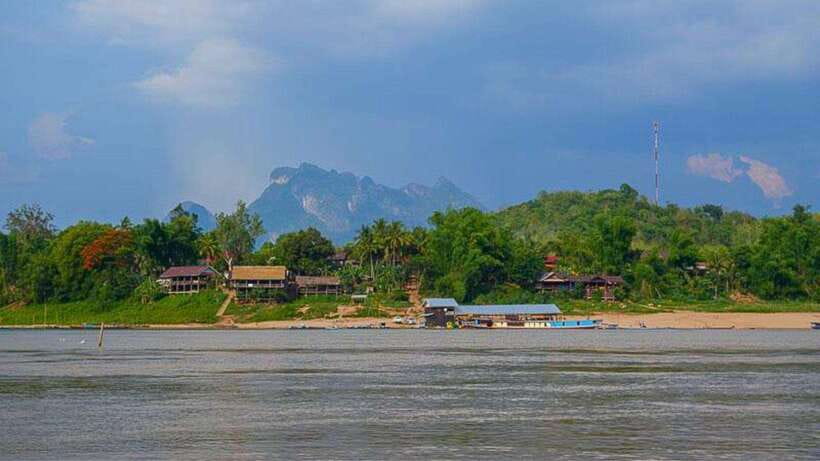
The scenery changes from Northern Thailand to the calm Mekong waters and lush river shores. It’s not just a moving bus with water views, it’s the kind of ride where you notice the sounds, the rhythm, and the light.
The boat carries about 100 to 200 passengers, and it’s shared with local tourists. In other words, you’re not getting a private experience, and in busy months (November to February) the boat can feel packed.
You arrive in Pakbeng around late afternoon and you’ll stay off the boat for the night. Your accommodation in Pakbeng is not included, so you book your own hotel, then you can eat dinner at riverside restaurants.
A practical detail that matters: you must remove your luggage from the boat in Pakbeng and bring it back the next day. That means you’ll want a luggage setup you can manage without stress.
Pakbeng Overnight: How to Use the Free Night Wisely
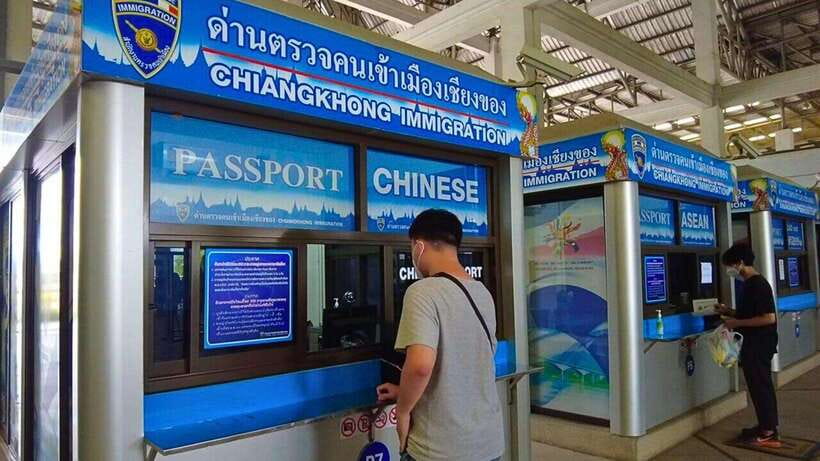
Pakbeng is charming in a simple, river-village way, and it works as a halfway reset. You get time to check in, eat well, and walk around without the pressure of still being in full transit mode.
Because the trip does not include accommodation, you’re choosing the comfort level. If you like quiet, pick something close enough to the riverside area that you’re not hauling your bag across town in the dark.
Plan dinner smart. You’re on a boat that provides no food, so the night in Pakbeng is a great chance to eat something filling and simple, then get an early night.
The next morning starts again with boat boarding, and you’ll need to handle luggage movement again. If you pack with that in mind, Day 2 feels smoother.
One more thing: the operator’s timing can vary due to traffic and operations. That’s normal. It also means you shouldn’t plan an ultra-tight schedule in Luang Prabang the same day you arrive.
Day 2 to Luang Prabang: Timing, Seats, and Temple Time
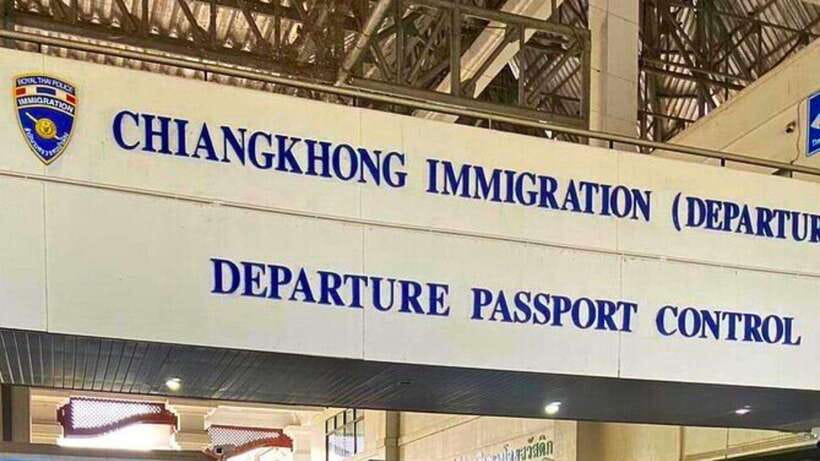
On Day 2, you continue the boat trip from Pakbeng toward Luang Prabang. The goal is a late afternoon arrival at the slow boat terminal, where you can switch gears to temples and town wandering.
You’ll arrive in Luang Prabang around 5:00 PM. You can then visit Buddhist temples and explore the town, which is a good way to make the end of the transfer feel like more than just disembark and done.
Crowd and seat reality repeats on Day 2. If the boat is too crowded, the trip notes recommend arriving early to reserve a seat, which tells you they expect busy conditions at times.
After you reach the Luang Prabang slow boat terminal, getting into the city is easy. There’s a shared taxi option for about 2 USD per person to the downtown area.
This is the part where travelers often want to know if the slow boat is worth the time. I’d say it is, as long as you’re okay with the pace. You trade speed for a quieter, more scenic river route, then you get a lively Luang Prabang evening.
Price and Value at $75: What You Pay For, What You Still Need
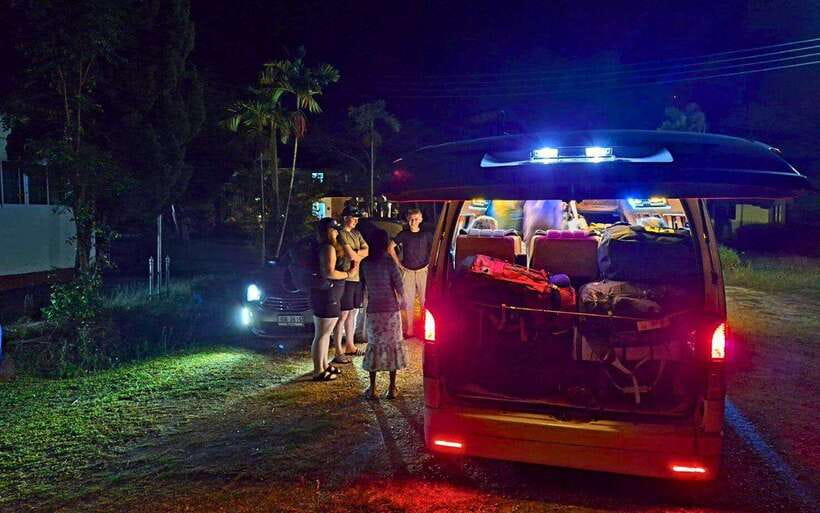
At $75 per person for a 2-day transfer, the value depends on what you compare it to. You’re getting a bundle: pickup/meeting point in Chiang Rai, an air-conditioned van to Chiang Khong, a slow boat ticket for the 2-day transfer, and the border bus crossing.
You also get accident insurance coverage, and the driver is English-speaking. There’s a structure here that can save you from piecing together multiple tickets and transport steps on your own.
But it’s not all-inclusive. You’ll still need to budget for:
- Laos visa costs (and visa photo steps if needed)
- Tourist tax (approx. 70 to 100 THB, paid directly to the Lao officer if you’re using e-visa or visa exemption)
- Food and drinks (none provided on board)
- Accommodation in Pakbeng (excluded)
- Any small immigration fees (about 1 USD)
So the real cost is often $75 plus daily food and personal expenses. If you like buying snacks and drinks as you go, keep cash handy.
To me, this still makes sense if you want the classic slow boat route without the stress of organizing every leg. If you already have a plan to book everything separately, then compare total price and effort side by side.
Crowd Levels, Busy Season, and the 6-Hour Minimum
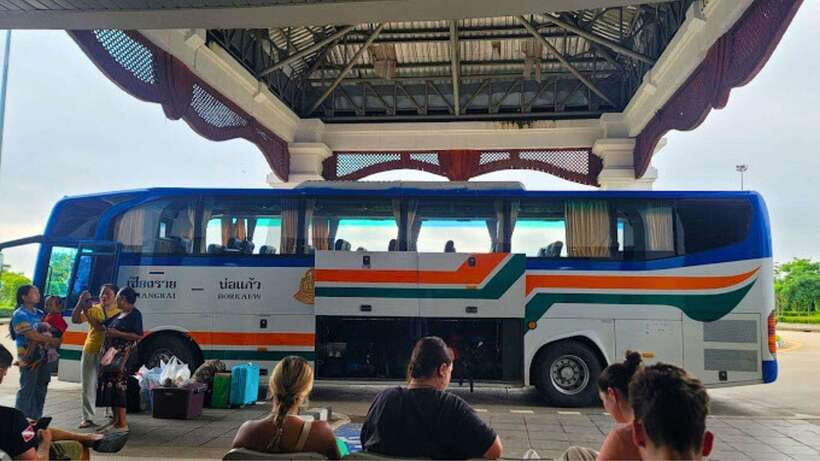
The trip clearly flags that Lao departure numbers are regulated by the Lao government, so the operator can’t force more boats on busy days. In high season, this can mean crowded conditions.
You should also know you must stay on the boat for at least 6 hours. That’s important if you’re hoping to hop off for breaks at random points. The schedule is designed around the two-day route and the Pakbeng overnight.
The boat itself is shared and can carry a large number of people, so your comfort depends on timing. On busy days, earlier boarding helps you choose a seat.
If you’re claustrophobic or you dislike close quarters, this is the part to plan for. Bring patience, bring layers, and treat the day as a group travel experience rather than a private cruise.
Comfort Limits: Seats, Luggage, Jetty Steps, and Motion Sickness
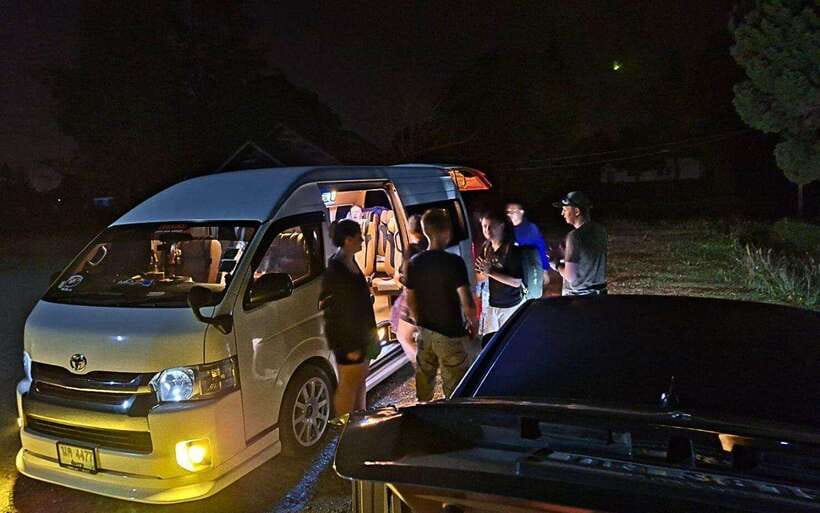
This is where I’d be most honest with you. The trip is not marketed as easy comfort for everyone, and the details support that.
You should consider skipping if you have motion sickness or seasickness, because you’re on a boat for extended hours. It’s also not suitable for wheelchair users, and it’s not recommended for people with back problems. There’s also a specific warning about knee pain, heel pain, or osteoarthritis, which makes sense if you’ll be dealing with long periods seated and walking between boat and shore areas.
Luggage handling matters too. In Pakbeng, you take all luggage off the boat and carry it to your next spot. And the jetty to road connection can be tough, with steep, long steps that are hard with a suitcase.
My practical advice: use a small, manageable bag for the first day. If you have a rolling suitcase, consider whether you can lift it safely up and down steps more than once.
Finally, bring a jacket. Even on warm days, rivers can cool things down, and you’ll appreciate layers while waiting on the boat.
Border Help Style: Helpful, Then You Continue on Your Own
A subtle point that can affect your stress level is how the border support is provided. The trip includes help getting you through the border process, but the operator support can be brief after the crossing.
So don’t assume there will be someone waiting with you for every follow-on step after the bus drops you into the next area. You’ll do better if your documents are organized and you know you may have to move yourself at certain points.
This is another reason the WhatsApp contact request matters. If you can message the team quickly on the day, you’ll handle any pickup or timing questions with less anxiety.
If you want a smoother border experience, write down key info for yourself before you go: passport name, hotel name spelled clearly, and where you’re meeting at each stage.
Who This Slow Boat Transfer Is Best For
This is best for you if you want:
- A classic Mekong slow boat route with an overnight stop
- Scenic time on the river without planning every ticket yourself
- A straightforward way to cross the Thai-Lao border by bus
- A Luang Prabang evening that starts with temples and walking
It’s also a good match for travelers who pack light enough to manage luggage during the Pakbeng stop and who are comfortable with shared transport.
I’d think twice if you’re very sensitive to crowding. In high season, this route can become busy quickly. It’s manageable if you’re flexible, but it won’t feel like a quiet retreat.
And if you know you react badly to boat motion, choose another route. This one is not designed to reduce the boat factor.
Should You Book This 2-Day Slow Boat Transfer?
Book it if you want the real slow boat experience and you’re willing to trade speed for scenery and river time. The route is well structured, the border crossing is handled by bus, and the overnight in Pakbeng makes the journey feel more like a travel story than a mere passage.
Skip or re-think it if you need accessible mobility, if motion sickness is a deal breaker, or if you’re expecting a private boat experience. Also be prepared for crowding in November to February and for the fact that food on the boat is on you.
If you do book, set yourself up for success: bring a jacket, bring cash, pack snacks since nothing is provided, and be ready to handle luggage and steep jetty steps. That prep turns a potentially stressful transfer into the kind of trip you remember for the river sounds, not just the destination name.
FAQ
What is included in the 2-day transfer from Chiang Rai to Luang Prabang by slow boat?
It includes pickup or meeting point arrangements in Chiang Rai, accident insurance (passport photo or copy required), an air-conditioned van from Chiang Rai to Chiang Khong, an experienced (English-speaking) driver, the 2-day slow boat ticket transfer, and the bus crossing across the border.
What is not included, and what should I budget for?
You need to budget for the Laos visa fee, any visa photo needs if required, accommodation in Pakbeng, tourist tax (about 70 to 100 THB paid to the Lao officer if you hold an e-visa or visa exemption), and food and drinks. The trip also notes immigration fees of about 1 USD.
Do I need to book a hotel in Pakbeng?
Yes. Accommodation in Pakbeng is not included, so you’ll need to book your own hotel for the night after arriving in Pakbeng.
What time do I start in Chiang Rai, and when do I cross the border?
Pickup happens about 5:00 to 5:30 AM. You cross the Thai-Lao Friendship Bridge No. 4 by bus around 6:30 AM.
Is a Laos e-visa enough if I am entering by land?
Even with a Laos e-visa, all travelers entering via Friendship Bridge 4 must complete the paper arrival card at the Lao border. Online arrival forms are for air arrivals only.
What food is available on the slow boat?
No food or drinks are provided on board. You should bring your own or purchase on board.
How do I get from the Luang Prabang slow boat terminal to downtown?
The shared taxi from the slow boat terminal to the Luang Prabang downtown area costs about 2 USD per person.
More Tour Reviews in Chiang Rai

More Trains, Boats and Transfers
Just added to the guide: more things to do in Laos
- Transfer : wonder full Sunrise and landscape at Phu Chifa★ 4.5 · 6 reviews
Laos Train Tickets & Transfers, side by side.
 ★ 4.5Luang Prabang Private MinivanFrom $3936 reviews
 ★ 4.0From Chiang Rai : 2 Day 1 Night Slow Boat to Luang PrabangFrom $8526 reviews
 ★ 4.0Luang Prabang Private Airport transfersFrom $922 reviews
 ★ 4.32D Transfer to Huay Xai by Slow BoatFrom $6518 reviews
 ★ 4.5Laos Railway Tickets Easily: Avoid Long Queues & Wasted TimeFrom $814 reviews
 ★ 5.0Laos Railway: Train Tickets Easily – Skip the Lines – No worriesFrom $299 reviews
 ★ 4.5Vientiane Private Transfer: Wattay Airport -Hotel-Railway StationFrom $99 reviews
 ★ 5.0China Railway: Easy Train Tickets, No Queues, No WorriesFrom $127 reviews
Every list this tour turns up on