
REVIEW · PLAIN OF JARS & THE BOLAVEN PLATEAU
Plain of jars private tour
A morning drive to the Plain of Jars is the kind of trip that sticks. This private day in Xiangkhouang Province pairs three major jar sites with Muang Khoun ruins, plus a stop at the Ban Naphia spoon-making village.
What I like most is how the route gives you variety without feeling rushed. You get a short walk through rice fields near Ban Xieng di, then higher viewpoints at Ban Nakho, and finally the largest plain with 334 jars at Site 1. The main thing to consider is that it is a packed day of driving, walking, and sun exposure, so plan for comfort and some patience.
In This Review
- Key points to know before you go
- Why the Plain of Jars plan works in one day
- Ban Naphia spoon village: more than a quick photo stop
- Site 3 near Ban Xieng di: the rice-field connection
- Ban Nakho and Site 2: hilltop views with about 100 jars
- Lunch in Ban Nakho: fuel before the ruins
- Muang Khoun ruins: Wat Phia Wat and That Foun stupa
- Site 1, the largest plain with 334 jars, plus the Buddha stop
- Price and value: is $110 per person fair?
- Best fit: who should book this private day tour
- Should you book this Plain of Jars private tour?
- FAQ
- How long is the Plain of Jars private tour?
- What is the price per person?
- Where does the tour pickup happen?
- What stops are included during the day?
- What is included in the price?
- What is not included?
- What languages is the guide available in?
Key points to know before you go
- Three Plain of Jars stops focused on the best-known clusters in Xiangkhouang
- Ban Naphia spoon village where local families make and sell about 1,000 spoons each day
- Rice field walk near Site 3 that breaks up the road time and adds context
- Ban Nakho panoramic viewpoints with about 100 jars on the hill area
- Muang Khoun ruins including Wat Phia Wat and the That Foun stupa area
- Site 1 is the biggest visit with 334 jars, plus a short Buddha stop on the way back
Why the Plain of Jars plan works in one day
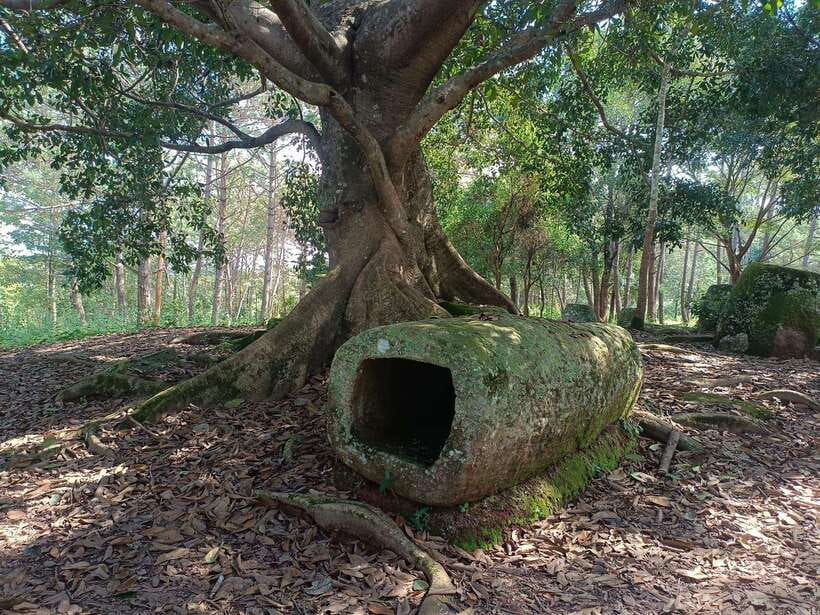
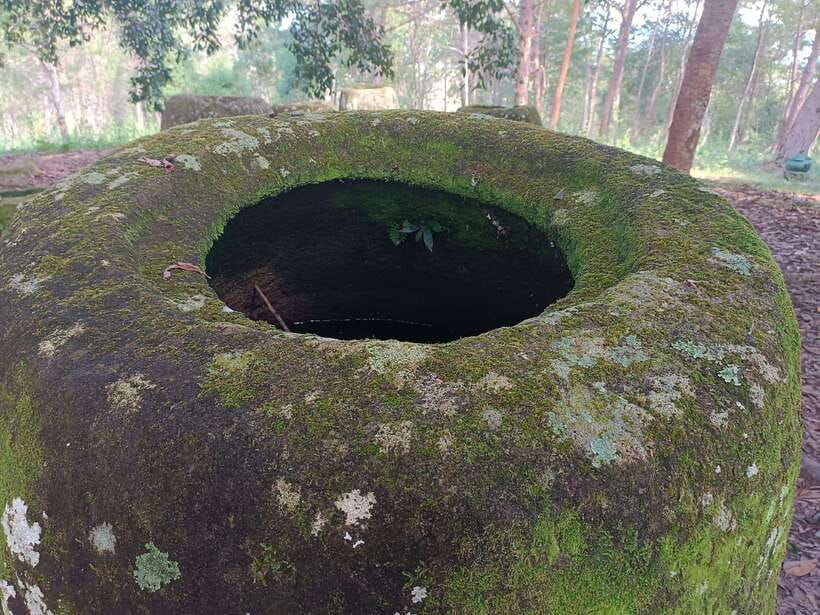
The Plain of Jars covers a wide area across Xiangkhouang Province, with thousands of jars reported in multiple clusters. That is why you do not want to treat it like one quick roadside stop. This tour helps you understand the scale by visiting several sites in the right order, so the jars feel connected instead of random.
From the first jar area to the last, the day is paced to keep your attention. You start with the spoon-making village and then move into the jar fields. That sequencing matters because it sets a human scale before you look at archaeology. After seeing daily craft and trade at Ban Naphia, the jars feel less like a museum piece and more like part of a living region.
You also get a private guide, so you can ask questions and get answers in English or Thai as you go. That is a big deal at a place where people often have the same few questions about what you are actually seeing.
Still shaping the route? These are the Laos trips our readers open next.

Ban Naphia spoon village: more than a quick photo stop
Ban Naphia is where the day turns practical. You visit a tourist attraction area tied to a spoon-making community, and the idea is simple: families produce around 1,000 spoons per day and trade them in the local market.
I like this stop because it gives you a sense of how people earn money and keep traditions going, even in a region famous for ancient sites. It also adds a slightly different emotional tone to the day. Instead of only thinking about stone and pottery, you see metalwork and everyday items made by families who are living right now.
One practical note: the tour time set aside is about one hour. So treat it as an introduction. If you want deeper interaction, arrive ready to ask specific questions to your guide about the materials, the work process, and how people sell at market.
Site 3 near Ban Xieng di: the rice-field connection
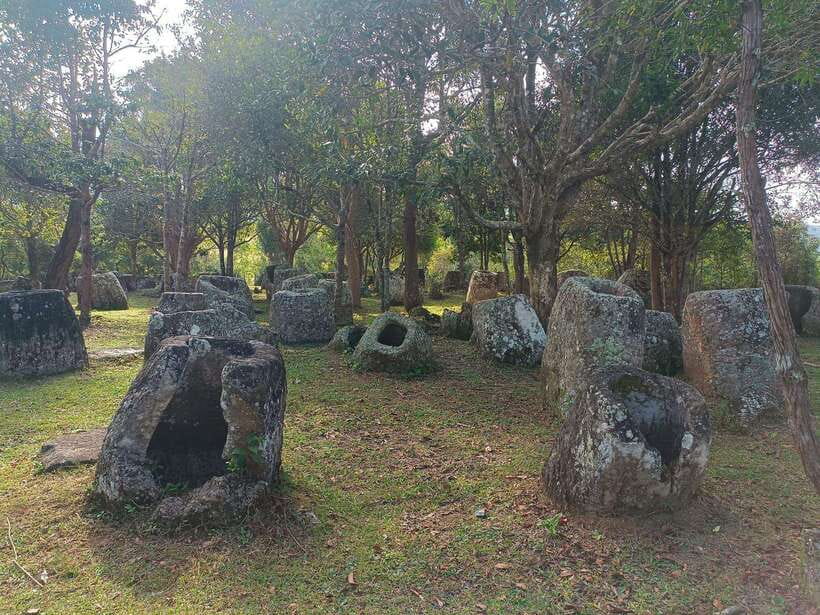
Site 3 is located near Ban Xieng di, and you will spend enough time to see the jar area without turning the visit into a marathon. The plan includes about 10 minutes to reach the jars, followed by time to walk and look.
What makes this stop valuable is the setting and the guiding. You are not just looking at jars sitting in isolation. The guide talks about rice plantation and the growing landscape around the area, which helps you understand how agriculture and the jar clusters exist side by side. You are essentially learning how local life shapes the way you experience the site.
Timing also helps. You arrive around 10:00 AM, when you are still fresh from the morning drive. If you are heat sensitive, this is a better choice than spending too much time outdoors later in the afternoon.
The only drawback is that Site 3 can feel brief compared with the bigger jar areas. If you love jar clusters and want more time on-site, ask your guide to focus on the most interesting angles and jar sizes during your allotted time.
Ban Nakho and Site 2: hilltop views with about 100 jars
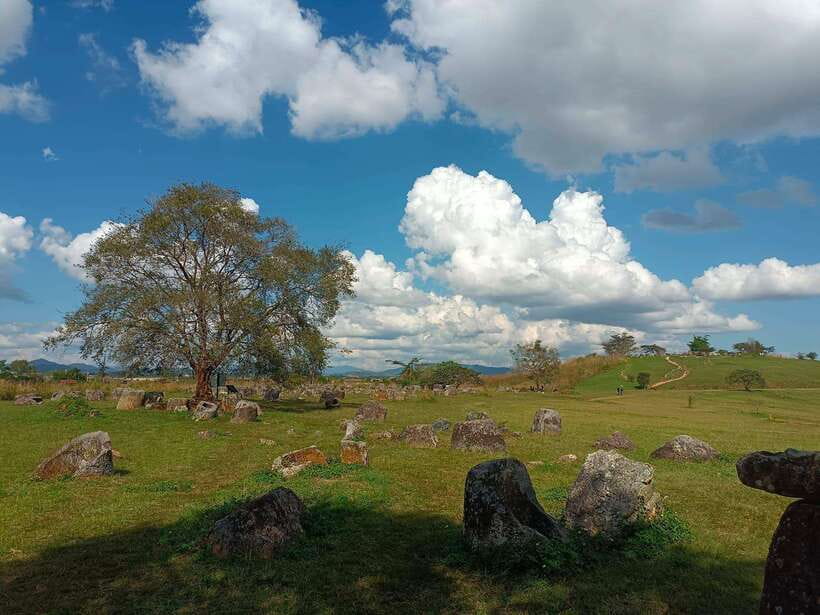
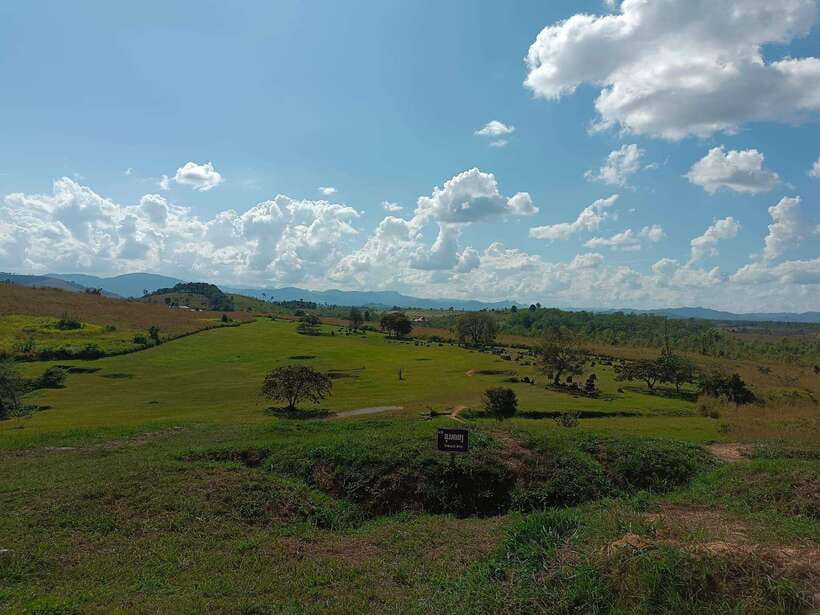
After lunch comes the most scenic jar stop on paper: Plain of Jars Site 2 at Ban Nakho. The route gives you time at roughly 11:45 AM, and the highlight is a view from the hill area near Phousalato Mountain, with panoramas and about 100 jars.
This is the point in the tour where the jars start to feel like geography, not just objects. You can see how elevation changes what you notice, how clusters scatter across slopes, and why people have long been drawn to this region for both archaeology and scenery. The viewpoints also give you a mental map for the rest of the day.
The time is also reasonable. You get around 1 hour at Site 2. That is enough for photos, for a careful look at different jar sizes, and for questions. It is not so long that the tour drags.
If you are traveling in stronger sun hours, treat the hill stop as your moment to use a hat, apply sunscreen, and take short breaks. The tour includes a guide and air-conditioned transport, but the hill viewpoints mean you will still be outdoors for part of the visit.
Lunch in Ban Nakho: fuel before the ruins
Lunch is included, with a local menu at a restaurant in Ban Nakho around 12:30 PM. I like that lunch is built into the middle of the route. You are between jar sites and about to switch from archaeology clusters to the Muang Khoun ruins area.
Because the lunch is local menu, you should expect a simpler style rather than a fancy restaurant experience. Think of it as practical refueling, not a culinary show. That matters for value. Your $110 per person is clearly aimed at guiding, transport, entrances, and a real break in the day.
One thing to keep in mind: soft drinks are not included. If you want a particular drink, plan to buy it separately so you are not stuck deciding late.
Muang Khoun ruins: Wat Phia Wat and That Foun stupa
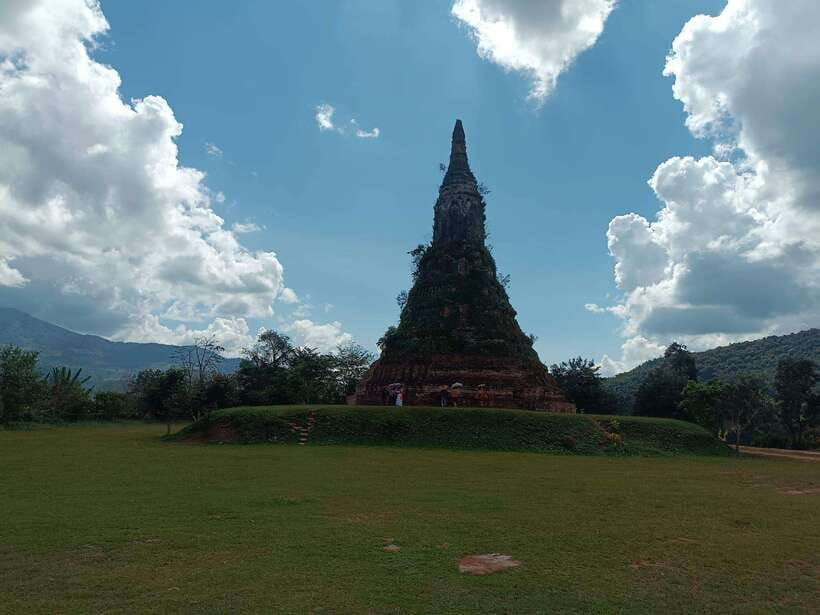
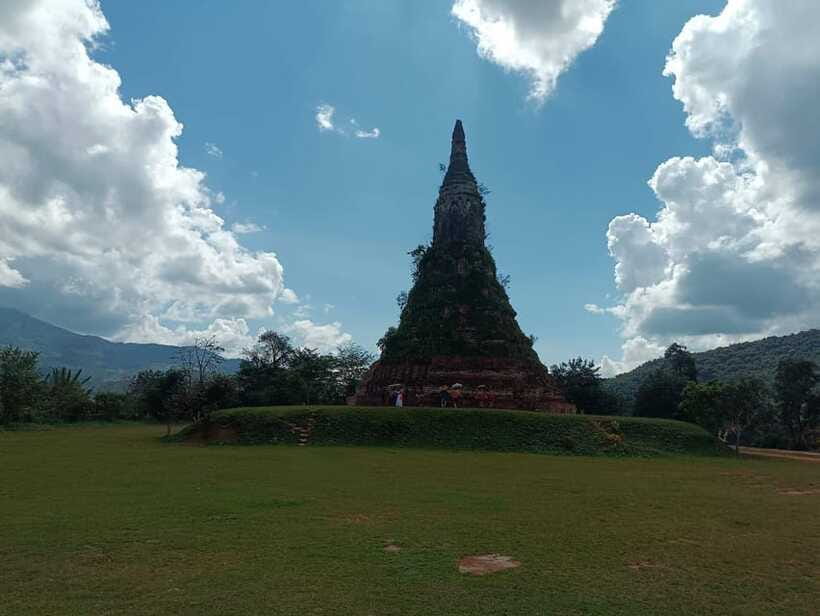
After Site 2, the tour moves to the former capital area of Xieng Khouang Province, Muang Khoun. This part of the day centers on ruins and temple remnants, including Wat Phia Wat and the That Foun stupa area.
The useful context here is that you are not only seeing ancient jars. You are also seeing a region shaped by later conflict and changing power. The itinerary notes the ruins remain from the Vietnam War era, and your guide can help you connect what you see on the ground to what the region has been through.
Time is shorter here, about 20 minutes at That Foun and a slightly broader window for the overall ruin visit. That means you get the core sightlines, but you probably will not have time to do everything like a standalone temple day. Go with the mindset of getting the main points, then follow up with questions from your guide.
If you are someone who enjoys thoughtful storytelling at ruins, this segment can be one of the most meaningful parts of the day, especially when you have a guide who can explain what you are looking at and how it fits into the region’s story.
Site 1, the largest plain with 334 jars, plus the Buddha stop
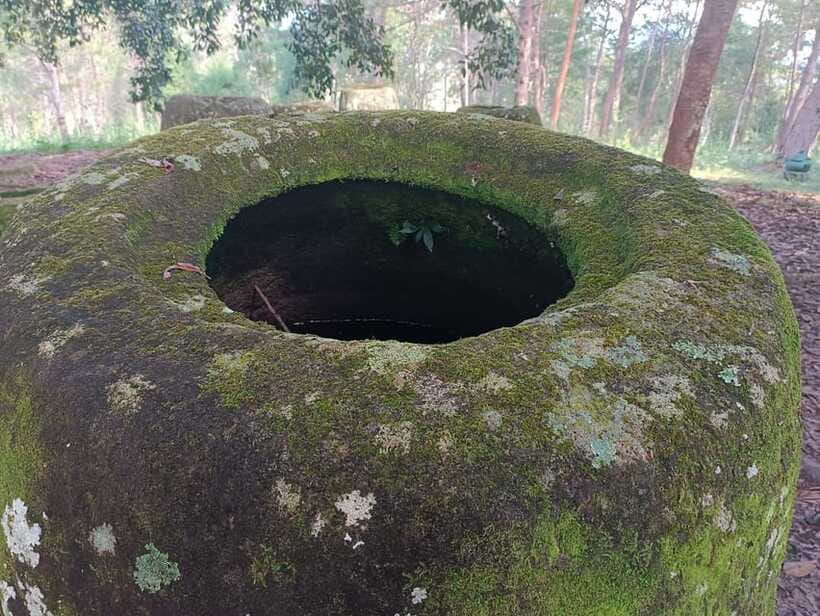
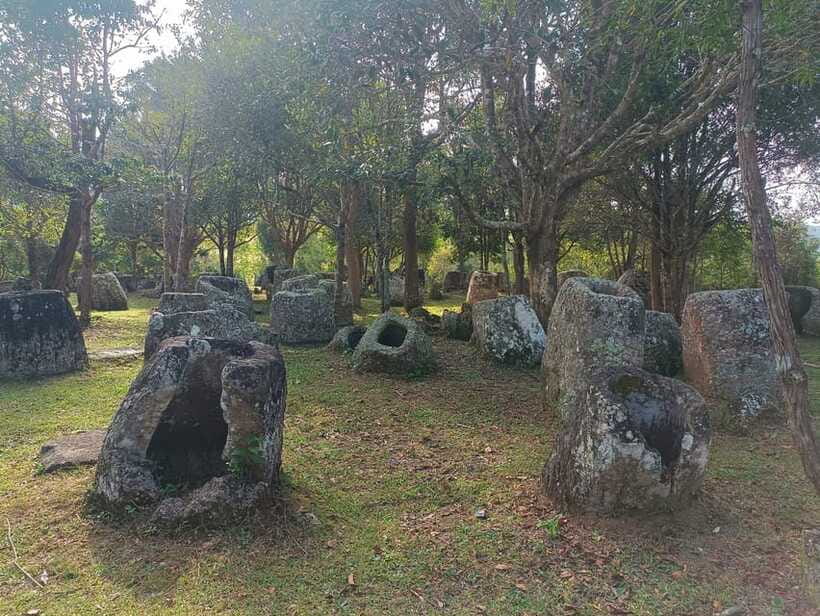
Late afternoon is reserved for Site 1, described as the largest plain, with 334 jars. This is the big finish, and it makes sense to save it for when you have already seen other clusters. By the time you arrive, you have a better sense of jar sizes, scattering patterns, and the overall layout.
You visit Site 1 around 3:50 PM, which is a good time for viewing because the light often feels kinder and the day is not fully peaked. You get about 1 hour for the stop, so you can slow down and actually look, not just rush for photos.
On the return drive, there is also a short pass/visit for Wat Hai Heen (Thonghaiheen Xaiyalam Temple) and a brief stop for the Wat Haihin big Buddha statue. These are not the main event, but they help fill the final stretch of the day and give you a last quick cultural moment before you roll back into Phonsavan.
Practical tip: since this is the largest jar area, you might want to keep your phone or camera ready for wide shots, then switch to close inspection of jar sizes and arrangement as the guide points things out.
Price and value: is $110 per person fair?
At $110 per person for a 1-day private tour, the value depends on what you care about most. If your goal is to see the top jar clusters without planning the logistics yourself, this price is competitive because it bundles a lot into one day: air-conditioned vehicle, entrance fees, lunch, and guide time across multiple stops.
You also get the real advantage of a private setup. You are not stuck waiting for group members, and you can adjust your pace slightly as your guide answers questions. That matters at the Plain of Jars, where understanding jar context improves your visit more than any single photo angle.
Where to spend a little extra attention is this: the tour does not include soft drinks, and there is mention of personal spending for handicrafts. So if you want to buy small souvenirs, bring a little extra cash or card budget.
Compared with DIY travel, you are paying for convenience plus interpretation. For most visitors, that tradeoff is worth it, especially if you only have one day in the area.
Best fit: who should book this private day tour
This tour is a strong match if you want a single day that hits the major Plain of Jars sites plus Muang Khoun ruins, without turning your day into a transport problem. It also suits you if you like question-and-answer guiding, since the private format makes it easier to ask about archaeology and about daily life in the region.
It is also a good fit for couples or small groups who want an efficient route. You start at 8:30 AM in Phonsavan, get a full lunch break, and return around late afternoon, so you keep the rest of your trip open.
If you only want one jar site and a long unhurried walk, this might feel too structured. If you dislike cars and prefer slow pacing, consider that this is a full day with multiple outdoors stops.
Should you book this Plain of Jars private tour?
If you are visiting Xiangkhouang Province with limited time, I would book this tour. It makes a smart choice by combining the jar sites that matter most, with a human stop at Ban Naphia spoon-making, then finishing with the largest jar cluster at Site 1. You also get lunch and entrance fees handled, which keeps the day from turning into a scavenger hunt.
Before you decide, think about what you want your one day to do. If you want maximum site coverage with a guide who can explain what you are seeing, this is the practical option. If you prefer a slow, low-stress day with minimal driving, you might be happier with a smaller-scope tour or a longer multi-day plan.
FAQ
How long is the Plain of Jars private tour?
The tour is 1 day.
What is the price per person?
The price is $110 per person.
Where does the tour pickup happen?
Pickup is included, and the tour notes the pickup is from Phonsavan. You need to put the correct address for pickup.
What stops are included during the day?
You visit Ban Naphia (spoon making village), Plain of Jars Site 3 (near Ban Xieng di), Plain of Jars Site 2 (Ban Nakho), the former capital area of Muang Khoun including Wat Phia Wat and That Foun, Plain of Jars Site 1 (largest, 334 jars), and there is also a short pass by Wat Hai Heen and a brief visit connected to the big Buddha statue.
What is included in the price?
Included are an air-conditioned vehicle, lunch (local menu), entrance fees, and all fees and tax.
What is not included?
Soft drinks and personal spending (including handicraft purchases) are not included.
What languages is the guide available in?
The live tour guide is available in English and Thai.
More Tour Reviews in Laos

Just added to the guide: more things to do in Laos
- Nong khiaw, 1Day Muang Ngoy Waterfall, Local Village and Kayaking★ 5.0 · 4 reviews
- Luang Prabang: Hiking Off the Beaten Track with Picnic Lunch★ 4.8 · 9 reviews
- Luang Prabang: Mekong Fishing with a Local Fisherman & Lunch★ 5.0 · 20 reviews
Plain of Jars & the Bolaven Plateau, side by side.
 ★ 4.6Mystic Falls & Timeless Temples of Southern Laos TourFrom $9721 reviews
 ★ 4.5Plain of jars tour with local guideFrom $1468 reviews
 ★ 5.0Plain of jars share group tourFrom $994 reviews
 ★ 3.5Full Day Crossing the Bolaven PlateauFrom $1254 reviews
 ★ 5.03 Days The Plain of Jars and Xieng Khouan (Depart from Luang Prabang)From $5403 reviews
Every list this tour turns up on