
REVIEW · LAO COOKING CLASSES
Vientiane Private Lao Cooking Class with Market Tour
A market first, then a Lao meal. This Vientiane private cooking class links a local market shopping trip to hands-on cooking at the Madam Phasouk house, with clear cultural context behind the flavors. I like that you learn Lao herbs and plants, not just recipes, and you do it with a small group so questions actually get answered.
You also get time to see traditional Lao cooking tools, including older equipment that connects what you cook today to how people cooked in the past. One possible drawback: your experience will depend on how much the market guide focuses on explaining produce versus doing other phone-based tasks, so come ready to ask what each ingredient is and why it matters.
In This Review
- Key Points Before You Go
- Vientiane in 6 Hours: Pickup, Van Rides, and Pace
- First Stop, the Local Market for Lao Ingredients
- Madam Phasouk Cooking House: Herbs, Plants, and Ancestors’ Tools
- Cooking Class Style: Chef Guidance and Hands-On Lao Dishes
- Food Tasting and Lao Beverages at the End
- Price and Value: Is $70 Worth a 6-Hour Class?
- Practical Tips: What to Bring, What to Avoid, and What to Ask
- Who This Class Fits Best (And Who Should Skip It)
- Should You Book This Vientiane Private Lao Cooking Class?
- FAQ
- How long is the Vientiane private Lao cooking class with market tour?
- Do I get hotel pickup and drop-off?
- Is the market visit included, or just the cooking class?
- Is the class taught in English?
- How large is the group?
- What should I bring, and what’s not allowed?
Key Points Before You Go
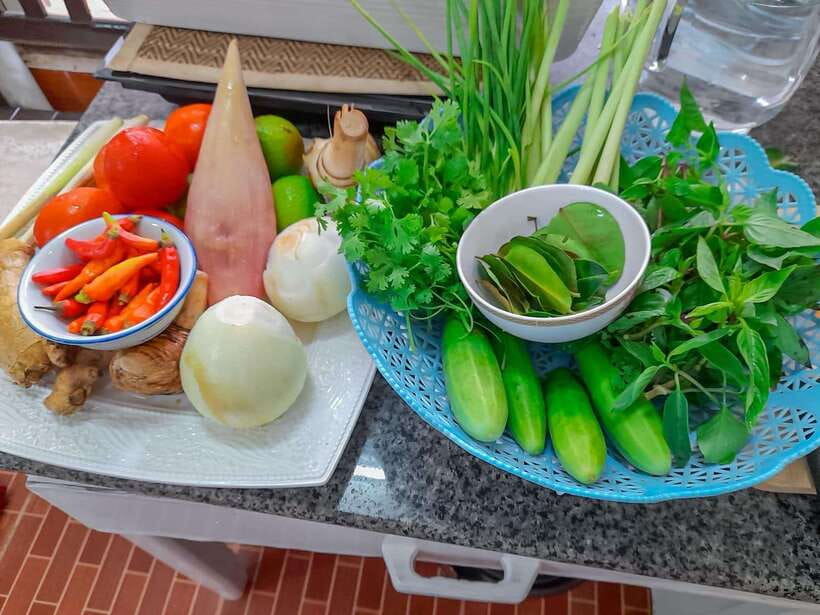
- Market-to-stove shopping for fresh ingredients used in your class
- Madam Phasouk cooking house with an herb-and-plant orientation and an older-tool feel
- Red tribe (Son Phao Thai Daeng) culture shown through food and context
- Small group of up to 4 for more hands-on time and fewer sidelines
- End with what you make, plus tasting and Lao beverages
Vientiane in 6 Hours: Pickup, Van Rides, and Pace
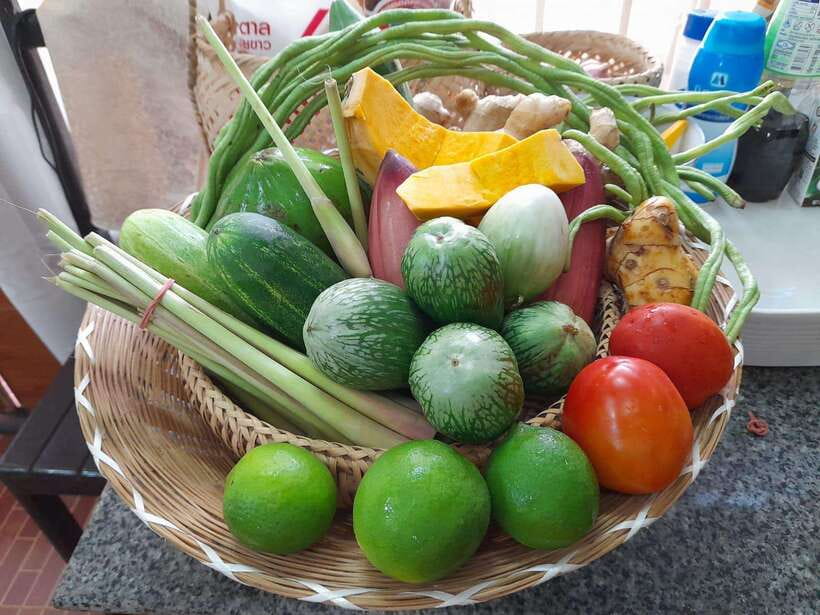
This is a 6-hour outing that mixes travel with cooking, so don’t plan anything tight right after. You get pickup included, with pickup options listed at COSI Vientiane Nam Phu Laos, and you’re dropped back at the end at your chosen location(s). Expect about 1 hour by van each way, so roughly 2 hours of your day is transit time.
Once you arrive, the main block is at a local restaurant area for the cooking experience, including the food market visit and the class itself. The pacing is designed to keep you moving, but it’s still long enough to feel like you learned something real instead of just watching a demo.
If you hate being rushed, plan your morning around this. If you’re fine with a structured half day, this format works well, especially because it’s small group.
One day in Vientiane, and these are the other options

First Stop, the Local Market for Lao Ingredients
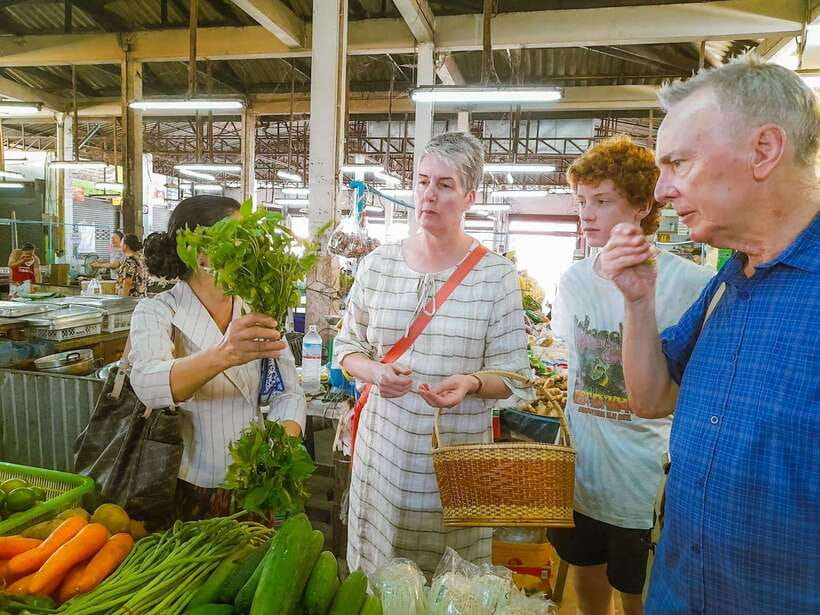
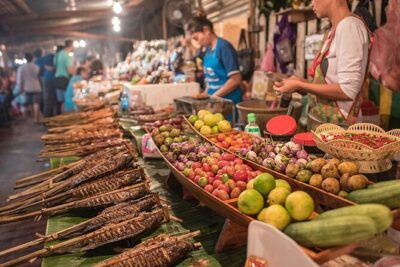
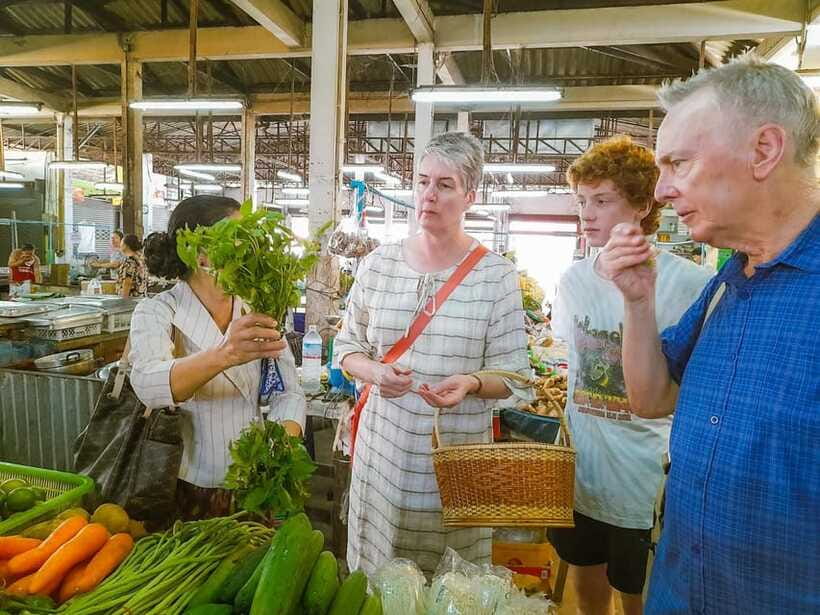
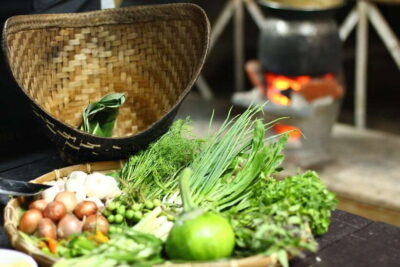
The market visit is a big part of the value here. You’re not just grabbing random groceries. You’re collecting the produce, herbs, and plants you’ll use to cook Lao dishes, guided by an English-speaking host.
This is also where your best learning happens if you lean in. Lao flavors often start with fresh ingredients, and the class includes an explicit focus on Lao herbs and plants. That means you should treat the market like your ingredient map: find what looks familiar, then ask about what feels new.
A practical consideration based on past participant feedback: if the guide spends a lot of time taking photos on a phone instead of walking you through produce, you might need to take control a little. Ask direct questions like:
- Which herbs are the ones that smell strongest?
- Which ingredient is for balancing flavor, and which is for heat?
- How do you handle fresh plants here, before cooking?
Even if the market explanation is brief, you’ll still walk away with shopping know-how that helps you recreate the dishes later.
Madam Phasouk Cooking House: Herbs, Plants, and Ancestors’ Tools
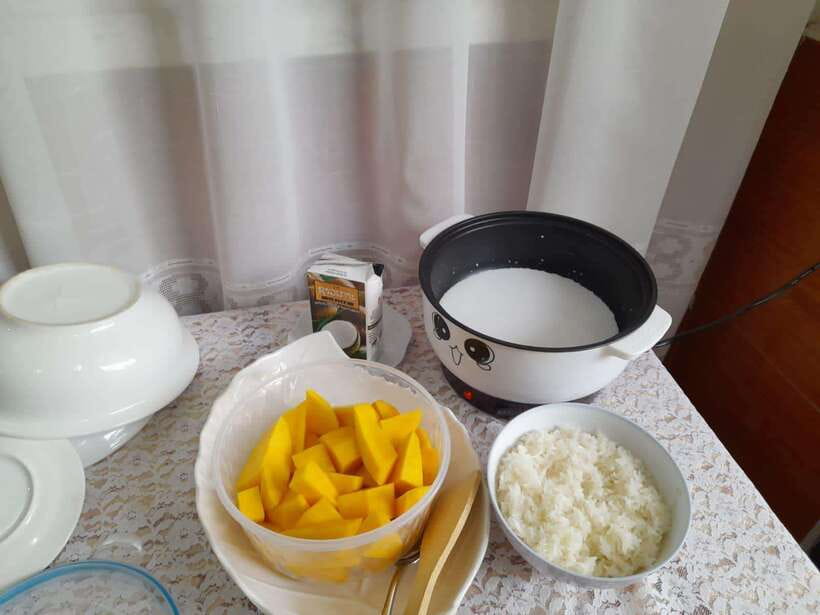
After pickup and travel, the setting is the Madam Phasouk cooking house. This is where the tour shifts from shopping to meaning. The experience includes an introduction to Lao herbs and plants, plus learning about traditional Lao equipment, including older tools used by ancestors.
That matters because Lao cooking is often about technique and freshness, not only sauces and spices. When you understand why a herb is used, or how a plant is prepared, your home cooking improves fast. You stop copying the dish and start understanding the logic.
You’ll also get a cultural layer tied to the Red tribe (Son Phao Thai Daeng). The class includes insight into their culture, which shows up through the way ingredients and meals are discussed, not just through vague storytelling. If you like your food experiences to have context, this is one of the stronger parts of the day.
One important on-site rule: don’t touch plants. That’s not a minor detail. It’s part safety, part respect for the garden area, and part preserving what the house uses in its lessons. Bring a camera so you can photograph the plants and the cooking space without relying on anyone else to do the work.
Cooking Class Style: Chef Guidance and Hands-On Lao Dishes
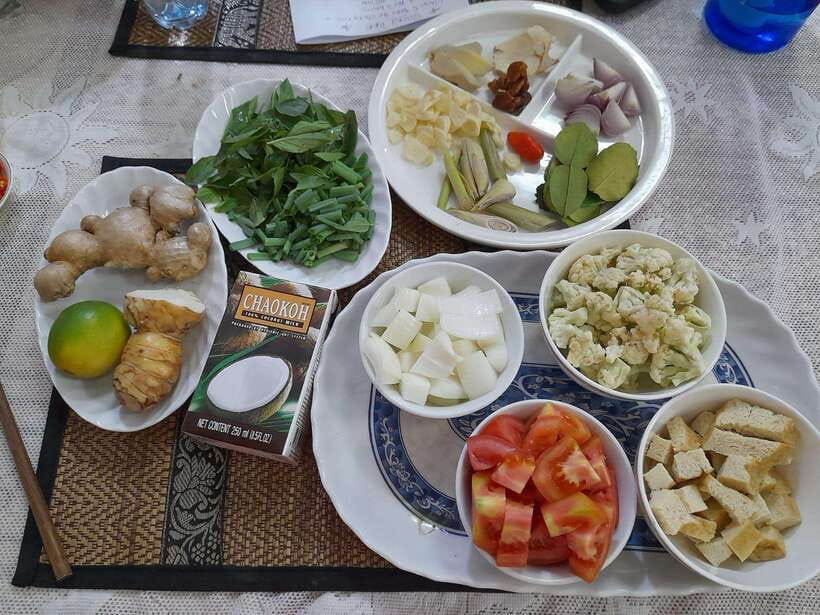
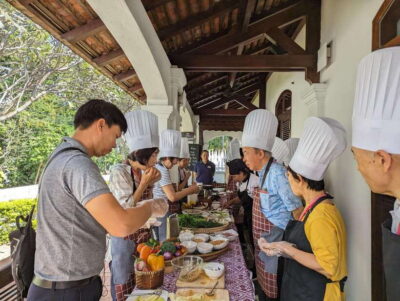
The cooking portion is led by a chef, and it’s structured for real participation. You get step-by-step guidance, and the class is presented as beginner-friendly while still useful if you already cook.
Since the group is limited to 4 participants, you’re less likely to get stuck waiting your turn. That matters in cooking classes, where the best learning is often in the small corrections, like how long something cooks, what texture you’re aiming for, or how you balance flavors.
The class also includes cultural significance behind the meals. In practice, that means you’re not only told what to do, you’re given a reason why Lao cooks do it this way. That kind of explanation helps you replicate flavors even when you can’t buy every exact herb at home.
One note from past feedback: some participants felt the dishes cooked did not match what they expected to be purely Lao. Others praised the chef as very nice and said the recipes were inviting to recreate. So your best move is to ask questions while cooking, especially about what makes the dish Lao in the first place. If you can clarify expectations early, you’ll leave happier.
- Vientiane: Private Full-Day Tour with Buddha Park and Lunch
★ 4.8 · 33 reviews - From Vientiane: Vang Vieng Tour with Cave Kayak & Zipline
★ 4.6 · 32 reviews - Private Tour: Vientiane City Tour Full Day with Buddha Park
★ 4.5 · 32 reviews - Vientiane Half-Day City Tour
★ 4.5 · 23 reviews
Food Tasting and Lao Beverages at the End
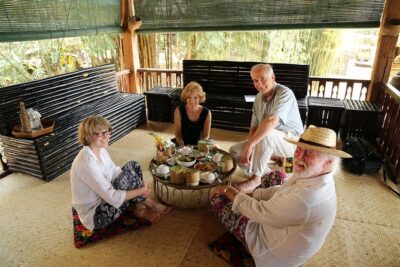
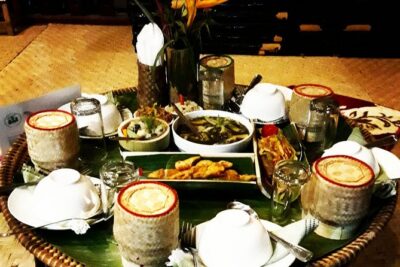
At the end, you eat what you made. The itinerary explicitly includes food tasting, and you’re paired with authentic Lao beverages.
This is the moment to check whether you like the flavor balance. If something tastes too sharp or too flat, ask the chef what to adjust next time. Cooking classes can teach you technique, but tastings teach you preference.
A practical caution from previous participant feedback: sticky rice matters. One person reported getting cold sticky rice with hard bits, and that’s a texture problem, not a flavor problem. If sticky rice is part of your meal, pay attention to how it’s served and how fresh it is. If you care about perfect texture, ask how the rice should be steamed and held so it stays soft and consistent.
Price and Value: Is $70 Worth a 6-Hour Class?
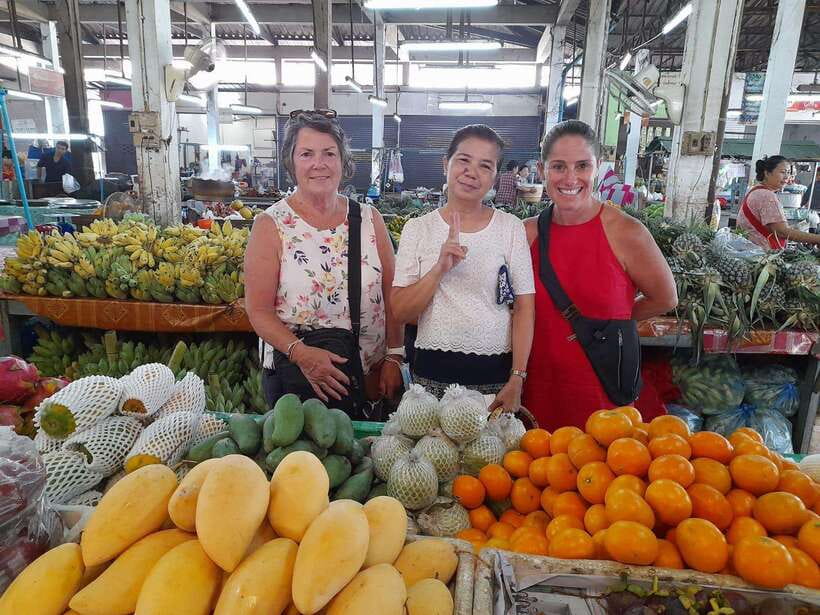
At $70 per person for a 6-hour experience, you’re paying for three things at once: local shopping, chef-led cooking with ingredients included, and guided cultural content. This isn’t just a short cooking demo.
Your value increases because the class is small group limited to 4. Smaller groups usually mean more attention while you’re cutting, mixing, and learning techniques, instead of watching while someone else cooks. You also get an English-speaking guide, which removes a lot of friction when you’re trying to understand herbs, plants, and traditional equipment.
Inclusions that help the math:
- Market visit for ingredient selection
- Cooking class with a chef
- Ingredients for the class
- English-speaking guide
- Introduction to Lao herbs and plants
- Traditional equipment context
- Insight into Red tribe (Son Phao Thai Daeng) culture
You skip hotel pickup and drop-off costs because pickup and drop-off are included, but food beyond what’s mentioned isn’t automatically covered. The itinerary includes tasting and Lao beverages, so you’re not walking away hungry.
So, who gets the best deal? People who want more than a recipe. If you’re excited by herbs, fresh produce, and cooking methods, this price starts to look fair fast.
Practical Tips: What to Bring, What to Avoid, and What to Ask
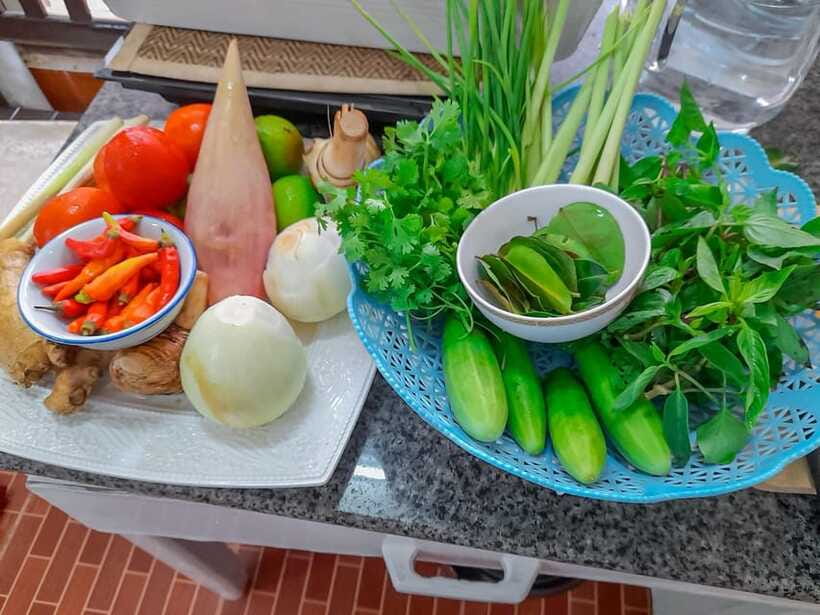
The list is simple, and it will make the day easier.
Bring:
- Hat
- Sunscreen
- Water
- Comfortable clothes
- Camera
- Any ingredient-related items if requested by the host
Wear comfortable clothes suited for outdoor activity since you’ll be at the market and moving around. You’ll also be in the garden-like environment of the cooking house, so light, breathable layers help.
Avoid:
- Smoking
- Alcohol and drugs
- Touching plants
Now the smart part. To make sure you get what you came for, ask a few questions early:
- Which herb or plant is most essential for the flavor of each dish you cook?
- What’s the texture target for sticky rice, and how do you keep it right?
- How should I store or prepare these ingredients if I cook at home?
- Which traditional tool is used for what part of the process?
If the market explanation feels thin, you can still solve it by asking, then using the time to identify ingredients for your notes. This class gives you the ingredient framework. You do the rest.
Who This Class Fits Best (And Who Should Skip It)
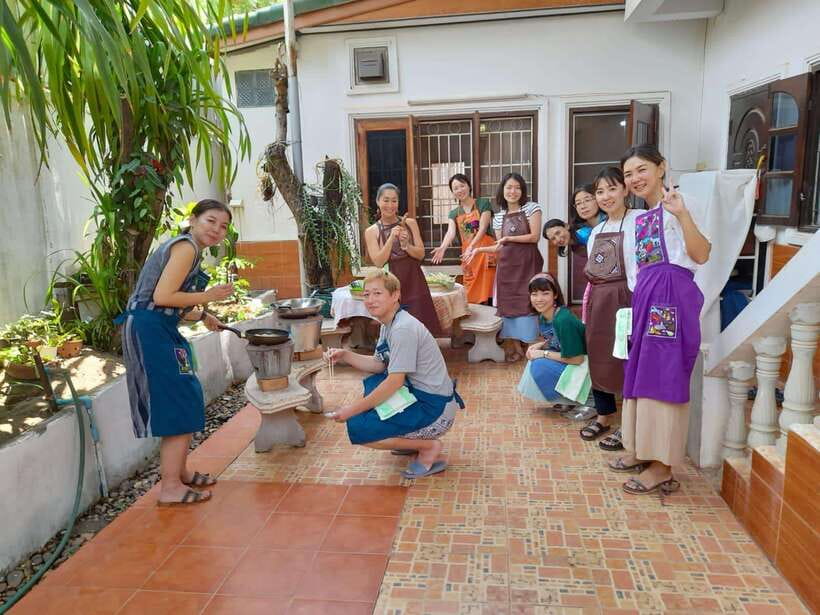
This is a good fit for food-first travelers who want Lao cooking explained with ingredients, not just plated outcomes. I’d particularly recommend it if you enjoy learning:
- how herbs and plants create flavor
- why traditional equipment matters
- the food connections to Red tribe (Son Phao Thai Daeng) culture
It may not be ideal if you have strong dietary restrictions. The experience notes it is not suitable for people with food allergies, so if allergies apply, you should check details directly with the provider before booking.
There are also clear restrictions for children and mobility needs. It’s not suitable for children under 12 and it’s not suitable for wheelchair users. If any of these apply to your group, look for a different activity designed around accessibility and age needs.
Should You Book This Vientiane Private Lao Cooking Class?
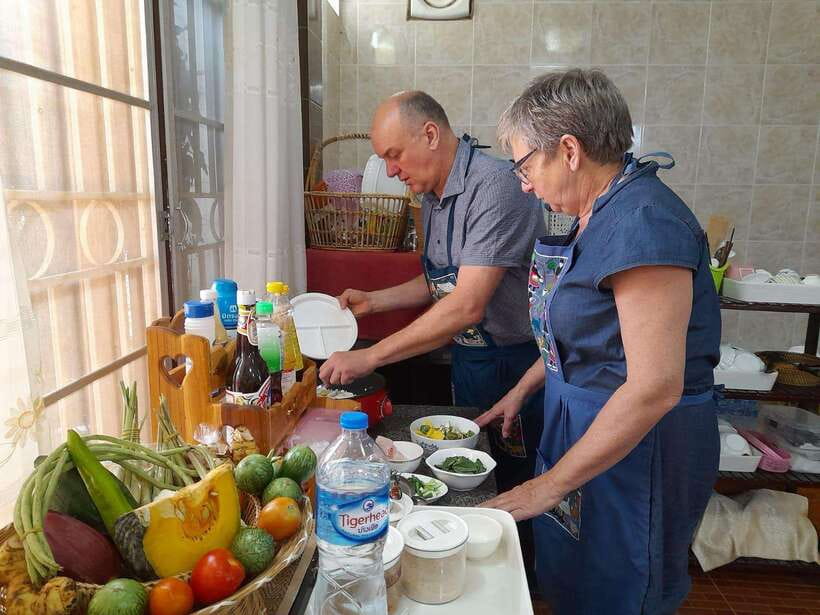
If you want a hands-on cooking class with a market visit and real attention to Lao herbs, plants, and traditional cooking tools, I think this is worth your time. The small group size is a strong advantage, and the cultural context tied to the Red tribe (Son Phao Thai Daeng) makes it more than just learning how to cook.
But be realistic about what can go wrong. If you’re the type who needs a very detailed, ingredient-by-ingredient market walkthrough, come prepared to ask questions. Also, if sticky rice texture is a big deal to you, pay attention to how it’s prepared and served, and request guidance if needed.
My bottom line: book it if your goal is learning Lao cooking the way locals cook it, starting with fresh ingredients and ending with what you make. If you want purely “perfectly Lao” dishes with zero chance of mismatch, you should confirm menu specifics or dish list details before you commit.
FAQ
How long is the Vientiane private Lao cooking class with market tour?
It lasts 6 hours in total.
Do I get hotel pickup and drop-off?
Pickup and drop-off are included, but you need to provide your hotel name and location so the driver can pick you up and drop you off.
Is the market visit included, or just the cooking class?
The market visit is included, and it’s part of the overall experience time.
Is the class taught in English?
Yes, the guide provides an English-speaking experience.
How large is the group?
The group is limited to 4 participants.
What should I bring, and what’s not allowed?
Bring a hat, camera, sunscreen, water, comfortable clothes, and any ingredient-related items if requested. Smoking is not allowed, and alcohol and drugs are not allowed. You also should not touch plants.
More Market Runs and Food Walks
More Around Vientiane

Just added to the guide: more things to do in Laos
- Vientiane: Lao Cultural Attire Rental Experience★ 5.0 · 3 reviews
- Vientiane Private Lao Cooking Class with Market Tour★ 4.0 · 3 reviews
- Private Tour Vientiane – VangVieng by Express Train★ 5.0 · 4 reviews
- Half Day Exploring the Charms of Vientiane and hotel pickup★ 4.9 · 4 reviews
- Vientiane IG tour & Patuxay monument★ 5.0 · 5 reviews
- Private Full Day Vientiane City Tour★ 5.0 · 5 reviews
Lao Cooking Classes, side by side.
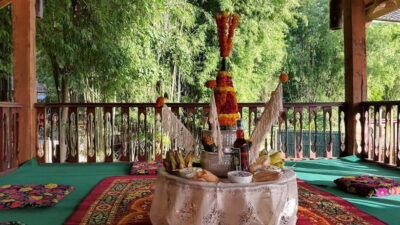 ★ 4.9Evening Cooking Class & Local Baci CeremonyFrom $51151 reviews
 ★ 5.0Bamboo Weaving Workshop & Cooking ClassFrom $4496 reviews
 ★ 4.9Cooking Class at the Former Royal PalaceFrom $4551 reviews
 ★ 5.0Day-time Bamboo weaving & Cooking Classes join-inFrom $2538 reviews
 ★ 5.0Evening Bamboo weaving & Cooking classes join-inFrom $2517 reviews
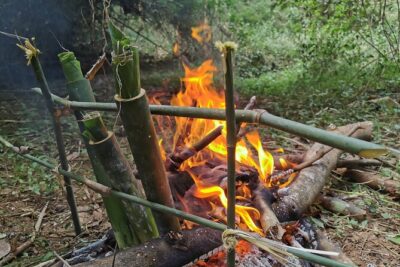 ★ 5.0Tribal Cooking Class in Luang Prabang Forest and visitFrom $7815 reviews
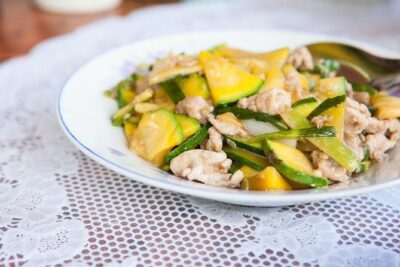 ★ 5.0Traditional Market Tour and Private Laotian Cooking Class with a LocalFrom $9213 reviews
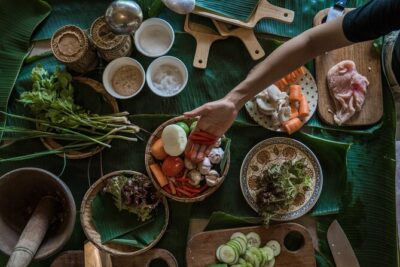 ★ 5.0The Namkhan – Cooking ClassFrom $638 reviews
Every list this tour turns up on