
REVIEW · LUANG PRABANG ALMS GIVING & BACI CEREMONIES
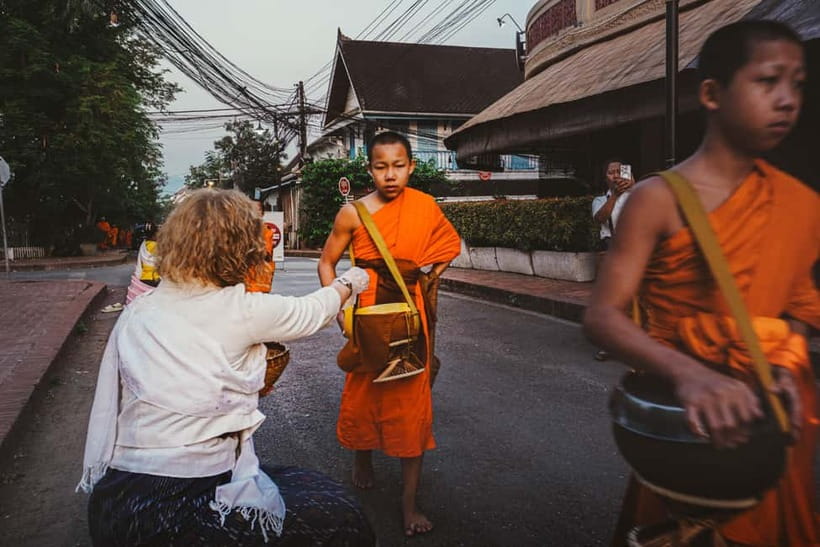
Luang Prabang: Almsgiving Ceremony Offering
One morning in Luang Prabang feels like time slows. This Tak Bat almsgiving ceremony turns sunrise street life into a real, moving look at daily Buddhism in Luang Prabang.
I love that you’re given a traditional offering set and a scarf, so you can participate respectfully without second-guessing what to do. You also get live guidance on behavior, which matters a lot when monks are passing close by.
I also like the way the guide explains the why behind the ritual. Johny, mentioned in feedback as someone who spent about 10 years as a monk, is the kind of person who can make the rules feel natural, not stiff. One possible drawback: it’s an early-morning walk, so show up on time and be ready to find your meeting point around L’Elephant, since a small delay can make the whole rhythm feel rushed.
In This Review
- Key things I’d plan for
- Tak Bat in Luang Prabang: why this sunrise ritual matters
- Meeting at L’Elephant and getting ready without stress
- Walking with monks: what you’ll do with the offering set
- The guide experience: why Johny’s explanations land well
- When the streets feel quieter, the meaning gets louder
- The temple visit afterward: how to connect the dots
- Photography rules and timing tips that keep it respectful
- Price and value for a 1-hour Tak Bat experience
- Who this fits best, and who might skip
- So, should you book this Luang Prabang almsgiving tour?
- FAQ
- How long is the Luang Prabang Tak Bat offering ceremony experience?
- What does the tour cost?
- What is included in the traditional offering?
- What should I bring with me?
- Where does the tour start?
- Are flash photos allowed during the ceremony?
- What kind of clothing should I wear?
- Is the tour wheelchair accessible?
- What languages are spoken by the guide?
- Is cancellation free?
Key things I’d plan for
- Tak Bat meaning first, not just a photo stop
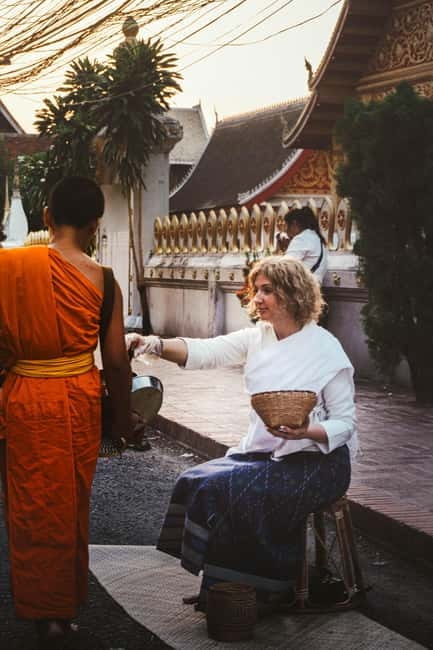
- Traditional offering set included (sticky rice, banana, snacks)
- Respect rules are strict, no touching monks or bowls
- Temple visit afterward for context beyond the street
- Quiet moments possible, especially when you’re kept off the loudest stretch
Tak Bat in Luang Prabang: why this sunrise ritual matters
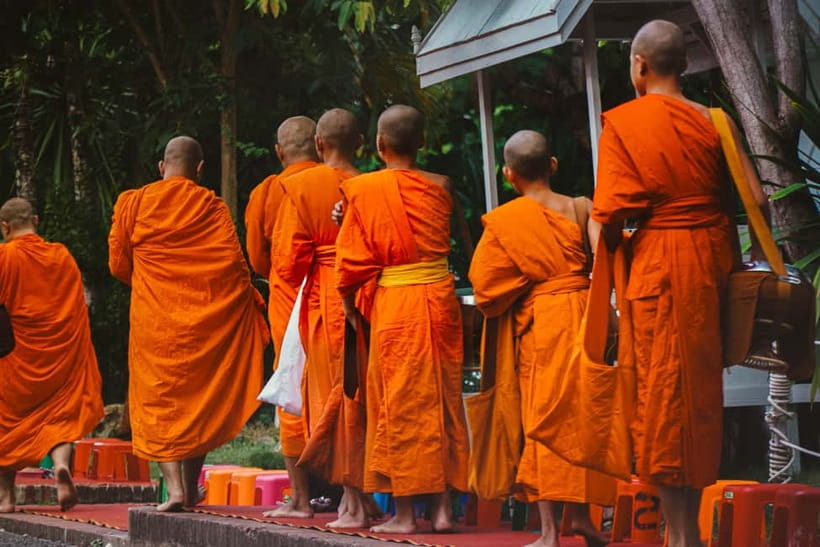
Tak Bat is the daily almsgiving ceremony in Luang Prabang, where people offer food to Buddhist monks as they walk through the streets. It’s not a show, and that’s exactly why it works. The pace is slow, the mood is quiet, and the whole town seems to hold still for a short window of time.
You’ll see long lines of saffron-robed monks collecting offerings, while locals and visitors offer food in silence. The day-to-day nature of it is what hits hardest. This is happening not because it’s convenient for tourists, but because it’s part of monastic life.
The guide’s job here is important. When someone can explain what you’re seeing, the experience stops being just “pretty morning photos” and becomes a better understanding of Buddhist practice and community routines. In feedback, the guide is singled out for being strong at explaining Buddhism in plain language, which is exactly what you want at 6 a.m.
Staying on in Luang Prabang? Here is what else fills a day there
Meeting at L’Elephant and getting ready without stress
The tour starts at L’Elephant and runs for about 1 hour, beginning early in the morning. That short duration is a big deal for planning. You’re not giving up a whole morning, but you are trading sleep for a window when the ceremony still feels calm and unhurried.
Before you head out, do two simple things:
- Dress modestly with shoulders and knees covered. This isn’t about fashion, it’s about respect.
- Plan for the scarf situation. The tour includes a local-style scarf to wear, and the general info also says you should bring a scarf. I treat that as a sign to pack your own if you have one you like, just so you’re never caught without what you need.
You’ll also want a camera. Photography is allowed, but there’s one key rule that you must follow: no flash photography. Flash can be disruptive and distracting, and this is exactly the kind of moment where silence matters.
Walking with monks: what you’ll do with the offering set
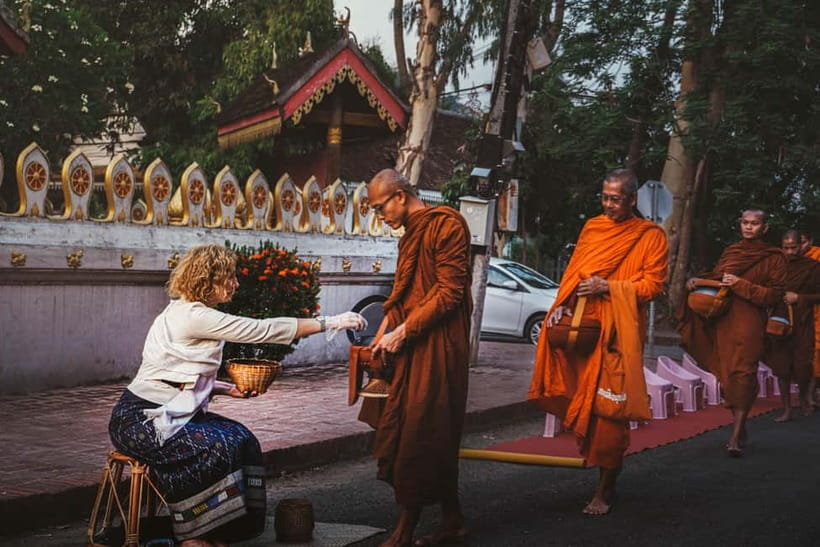
Your main action is simple: you participate respectfully by offering food to monks as they pass. You’re not expected to perform anything complicated. The tour provides a traditional Lao offering set, including sticky rice, banana, and snacks, plus a scarf so you look and behave appropriately for the moment.
Here’s the practical part. You’ll be close enough to see how the procession works, including the long line of monks in saffron robes and the quiet flow of people holding offerings. Your job is to stay calm, stay still, and keep your space.
The rules are clear and non-negotiable:
- Do not touch the monks
- Do not touch monks’ alms bowls
That means no friendly gestures. No reaching in. No trying to help a bowl move. If something falls, let the local flow handle it and notify your guide rather than jumping in. When you treat it like a sacred ritual, it stays sacred.
Also, keep an eye on your own timing. This ceremony moves at walking speed and it’s easy to get tangled if you stop too long to frame a shot. I like to think of it like this: take photos while you’re part of the line, not while you’re trying to out-wait the whole event.
The guide experience: why Johny’s explanations land well
The biggest recurring praise is not just that the ceremony is beautiful. It’s the way the guide explains what you’re seeing. In multiple pieces of feedback, Johny is highlighted for being excellent at teaching Buddhism and the monastic tradition, with people noting they learned a lot and appreciated the calm, structured explanations.
That matters because Tak Bat can be confusing if you show up cold. For example, you might wonder:
- Why is it done every day?
- What does the offering represent?
- Why is everything so quiet and orderly?
When the guide can answer those questions clearly, you leave with understanding that lasts. And if you’re the type who likes a little structure, this tour delivers it. Feedback also notes the tour is well organized.
There’s one extra detail worth your attention: strong guides also help with practical photo moments. One review mentions Johny taking great pictures of the participant during the offering, which is exactly the kind of help that saves you time and keeps you from awkwardly asking strangers in a quiet ritual.
More dawn alms rounds and blessing ceremonies
- Luang Prabang: Foodie Walking Tour & Monk Blessing
★ 4.7 · 66 reviews - Luang Prabang: Almsgiving Ceremony Offering
★ 4.1 · 13 reviews - Home-cooked dinner & Baci ceremony with Villagers in Ban Nasang
★ 5.0 · 12 reviews - Luang Praban Buddha’s Light Stage Show Ticket
★ 4.5 · 9 reviews
When the streets feel quieter, the meaning gets louder
Luang Prabang can get crowded. The tradeoff is that crowds make everything feel more like tourism. One recurring comment in feedback is that the experience can be set up on calmer side roads, away from the general crowd, with a meeting near Wat Nong temple.
You should still expect some people, because this is famous. But if your guide positions the group on a quieter stretch, it can completely change the vibe. Less noise means more focus, and more focus makes the ceremony feel more spiritual and less like a backdrop.
So when you arrive, don’t just look for the biggest group. Ask your guide where they want you to stand. If your guide is trying to keep you away from chaos, follow that direction.
The temple visit afterward: how to connect the dots
After the ceremony, you’ll visit a nearby temple for deeper insight into Buddhist practices. This part is what turns the event from a street ritual into a fuller understanding of the belief system behind it.
In a short 1-hour experience, the temple stop is a smart addition because it gives you context fast. You’ll likely hear explanations that connect what you saw outside, monks collecting offerings, to what you can observe in temple practice and routine.
The practical benefit is that you’re not left with only an emotional memory. You get an educational layer that helps you interpret what happened in the morning. If you’re on your first visit to Luang Prabang and you want something more meaningful than a quick photo, this temple add-on is a strong reason to book.
Photography rules and timing tips that keep it respectful
This ceremony is photogenic, but you need to be careful. Here are the rules and habits that help:
- No flash photography
- Keep your distance and don’t crowd monks
- Move calmly when the line shifts
- Don’t touch bowls or robes
- Dress modestly so you blend in respectfully
Timing is your hidden variable. Because it starts early, you should plan to be ready before the start time. If you’re late, you won’t magically catch up, because the monks will continue walking.
Also, think about how long you hold your camera up. If you block others or stop too long, it slows the line and can become distracting. I prefer quick shots, then reset my posture and let the moment play out normally.
Finally, treat the camera as a tool, not a barrier. When the ceremony feels quiet, it stays quiet when you act like part of it.
Price and value for a 1-hour Tak Bat experience
The price is $25 per person, and it’s worth analyzing what you actually receive for that money. For a short tour, the value comes from three included items and two big services:
- A traditional offering set (sticky rice, banana, snacks)
- A local-style scarf for the ceremony
- A live guide who provides guidance on respectful behavior
- A short but structured flow that includes a temple visit
- Time efficiency so you can fit it into a busy Luang Prabang schedule
What’s not included is transfer to the spot, so where you’re staying affects your total cost and convenience. If your hotel is close to the pickup area, you’ll feel like $25 is a fair deal for the guide and materials. If you’re far away, you’ll need to budget for getting there on your own.
Also, the tour is short, about 1 hour. That means you shouldn’t expect an hour of deep lecturing. You should expect a focused morning experience with guidance and explanations, not a long private class.
Considering all that, I see the $25 price as reasonable if you want a respectful, guided way to take part. If you already know exactly what you’re doing and your main goal is only to watch, you might be able to find other ways to see it. But a guided format is what keeps the etiquette right.
Who this fits best, and who might skip
This experience is best for people who enjoy early mornings, respectful cultural activities, and learning while doing. It’s especially suited to first-time visitors who want a clear introduction to Tak Bat and Buddhism practice in Luang Prabang.
It’s also listed as wheelchair accessible, which makes it more inclusive than many sunrise walking tours.
Two clear limitations are listed:
- Not suitable for babies under 1 year
- Not suitable for people with altitude sickness
The altitude note is unusual for a tour in Laos, but it’s stated, so treat it as important.
If you’re traveling with very young kids, this is likely not the right fit. If someone in your group has altitude-related health concerns, check with your doctor and do not assume this will be fine.
And one more balanced note from feedback: most people have a smooth experience, but a small number of past bookings reported issues like a guide not showing up or being difficult to find. You can reduce your risk by confirming your meeting details, arriving a bit early, and keeping your phone ready in case you need to contact the organizer.
So, should you book this Luang Prabang almsgiving tour?
I’d book it if you want an early, meaningful Luang Prabang experience that goes beyond photos. The combination of Tak Bat participation, a provided offering set, and a temple visit is a good mix for first-timers. The biggest quality signal is the guide strength, especially Johny’s ability to explain Buddhism and the monastic tradition, with people also praising him for capturing participant photos in the right moment.
I’d hesitate if you dislike very early starts or if you know you struggle with quiet, rule-based settings where there’s little room for improvising. Also, since transfers aren’t included, make sure you can get to the meeting point area smoothly.
If you’re looking for a respectful cultural morning with a clear sequence and real context, this is one of the more practical ways to do it.
FAQ
How long is the Luang Prabang Tak Bat offering ceremony experience?
The duration is 1 hour.
What does the tour cost?
The price is $25 per person.
What is included in the traditional offering?
You get a traditional Lao offering set, including sticky rice, banana, and snacks, plus a local-style scarf to wear during the ceremony.
What should I bring with me?
Bring a camera and a scarf.
Where does the tour start?
The starting location is L’Elephant.
Are flash photos allowed during the ceremony?
No. Flash photography is not allowed.
What kind of clothing should I wear?
Dress modestly, with shoulders and knees covered.
Is the tour wheelchair accessible?
Yes, it is listed as wheelchair accessible.
What languages are spoken by the guide?
The live guide speaks English and Thai.
Is cancellation free?
You can cancel up to 24 hours in advance for a full refund.
More Tour Reviews in Luang Prabang


More Alms Mornings and Baci Blessings



More Luang Prabang Days Out
Just added to the guide: more things to do in Laos
- Private Luang Prabang City Tour★ 5.0 · 3 reviews
- Luang Prabang Night-time Explorer★ 3.5 · 3 reviews
- 3 Days The Plain of Jars and Xieng Khouan (Depart from Luang Prabang)★ 5.0 · 3 reviews
- Luangprabang: Dinner with Lao Traditional Dance Performance★ 4.0 · 3 reviews
- Luang Prabang: Mekong River Cooking Class with Hotel Pickup★ 5.0 · 3 reviews
- Luang Prabang: Bamboo Forest Cooking-class & Farm Visit★ 5.0 · 3 reviews
Luang Prabang Alms Giving & Baci Ceremonies, side by side.
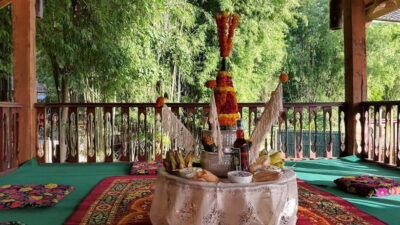 ★ 4.9Evening Cooking Class & Local Baci CeremonyFrom $51151 reviews
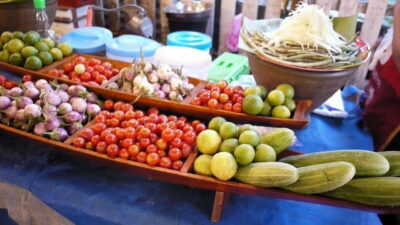 ★ 4.7Foodie Walking Tour & Monk BlessingFrom $5066 reviews
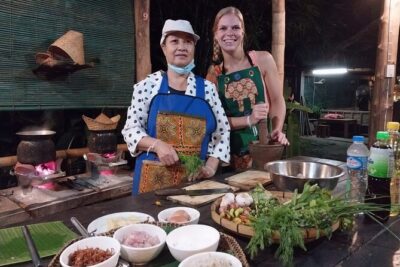 ★ 5.0Home-cooked dinner & Baci ceremony with Villagers in Ban NasangFrom $6812 reviews
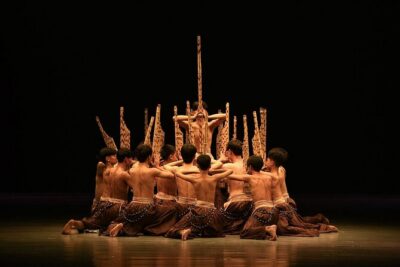 ★ 4.5Luang Praban Buddha’s Light Stage Show TicketFrom $379 reviews
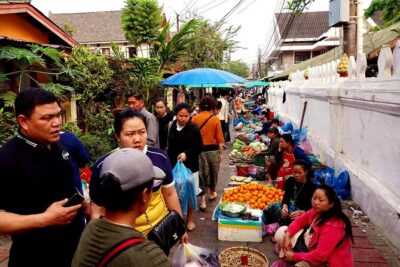 ★ 5.0Luang Prabang Foodie Walking Tour and Monk BlessingFrom $507 reviews
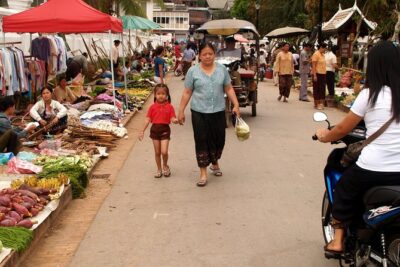 ★ 4.5Luang Prabang Early Morning Alms Giving and Wet MarketFrom $425 reviews
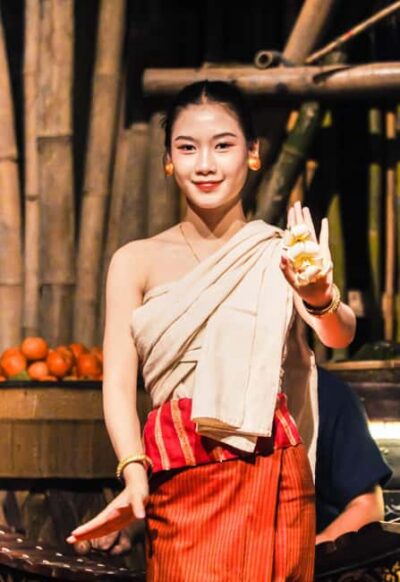 ★ 4.0Luangprabang: Dinner with Lao Traditional Dance PerformanceFrom $503 reviews
Every list this tour turns up on