
REVIEW · LUANG PRABANG TOURS
Luang Prabang: UNESCO World Heritage City Highlights Tour
Dawn in Luang Prabang sounds like a ritual. I like how the alms-giving puts you right inside daily Lao Buddhist life, and I also love the payoff of Phousi Hill at the top, where the whole town finally makes sense. One thing to plan for, the Royal Palace has a strict dress code, and some major temple and hill fees are paid in cash on site.
This tour is built for a quick, high-impact day in a UNESCO World Heritage town, with hotel pickup and drop-off, English-speaking guidance, and a schedule that can be as short as a half-day or stretched into a full day with waterfalls and village visits. You can also add the 6am start, which includes the morning alms-giving and market, then a break and a second pickup so you do not spend the whole day rushing.
In This Review
- Key things that make this tour work
- Dawn Alms-Giving and the Morning Market: the best reason to start early
- Hotel pickup, the two-part flow, and how to survive a packed day
- Wat Xieng Thong and temple hopping: where the town’s design language clicks
- The Royal Palace story told through the National Museum
- Mount Phousi climb: the view that stitches the day together
- Kuang Si Falls and the Hmong cultural stop: nature plus meaning
- Afternoon options: paper village, UXO history, and older temples
- Guide quality is the real value: names you might meet and why they matter
- Price, entry fees, and what to pack so the day stays easy
- Who this tour suits best, and who might want a slower plan
- Should you book this Luang Prabang UNESCO highlights tour?
Key things that make this tour work
- 6am alms-giving add-on gets you into the morning before the town fully wakes up
- Wat Xieng Thong temple time focuses on the classic Luang Prabang roof lines and pilgrimage atmosphere
- National Museum stop helps you understand royal-era objects in context
- Phousi Hill climb earns panoramic views, and it still feels like a cultural moment, not just photos
- Kuang Si Falls option includes a chunk of unstructured time to actually enjoy the water
- Afternoon additions like Ban Xang Khong paper village and the UXO Lao Visitor Center add depth beyond temples
Dawn Alms-Giving and the Morning Market: the best reason to start early
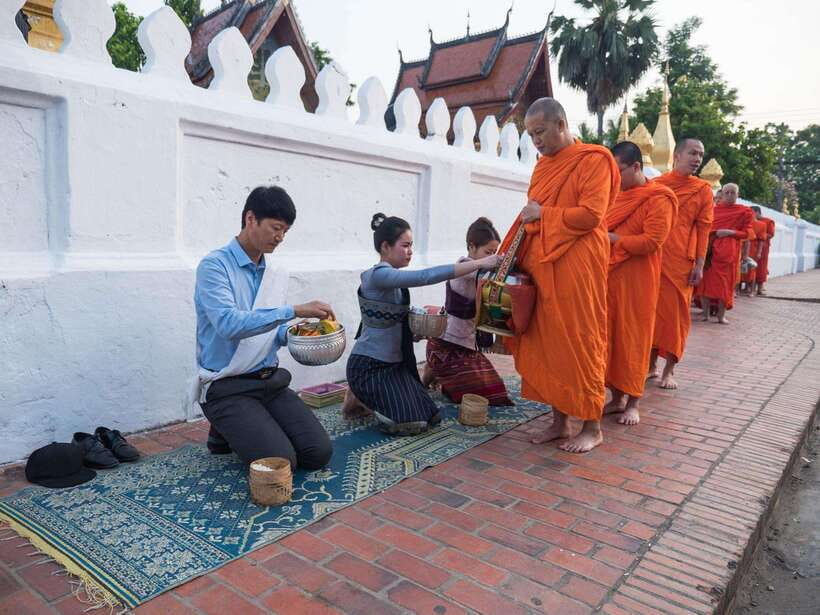
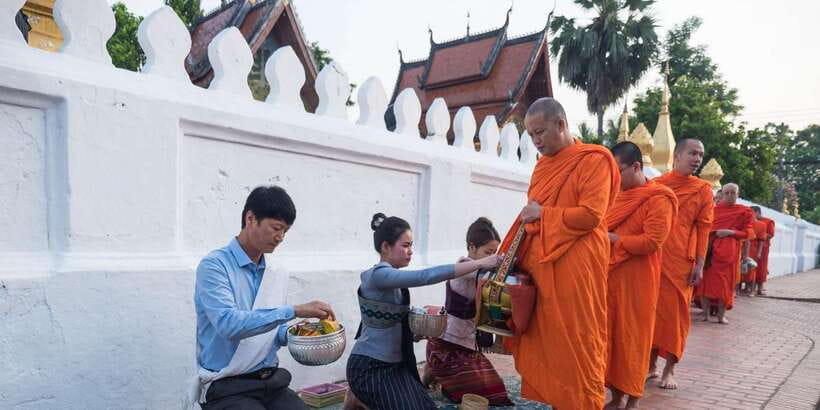
If you do the 6am option, you will start with hotel pickup and then join the daily alms-giving ritual. This is one of those moments that stays with you, not because it is staged, but because it is part of how people live and practice. The solemn chanting of Buddhist monks drifts through the town, and you get a front-row view of how locals respectfully participate.
Right after, you hit the morning market. This is where you see fresh produce, everyday rhythms, and the practical side of local life, not the postcard version. The best part is timing: you see the market before it gets crowded, and your guide can point out what you are looking at.
Practical thought: the early start is real. If you love sleep, plan to go to bed early, and consider that you will later get a breakfast and rest window if you choose the two-pickup morning schedule.
Staying on in Luang Prabang? Here is what else fills a day there
Hotel pickup, the two-part flow, and how to survive a packed day
What I like about this tour format is that it does not just sprint all day. On the 6am starting plan, you join alms-giving and the market, then return to your hotel for breakfast and a rest, before resuming with a second pickup. That split helps if you want the early cultural start but do not want to melt by mid-afternoon.
In the normal half-day and full-day versions, the pacing is still efficient. You move between major sights, temple areas, and viewpoints with guided storytelling at each stop. It is a great structure if you want to cover key Luang Prabang highlights without needing a car or building a route yourself.
Possible drawback: because this is a tight program, you will want to be clear about the exact stops you are expecting, especially if you book a private or small-group tour. Some people have mentioned the day can feel rushed if the schedule shifts, so it helps to confirm what is included before you go and show up with a flexible mindset.
Wat Xieng Thong and temple hopping: where the town’s design language clicks
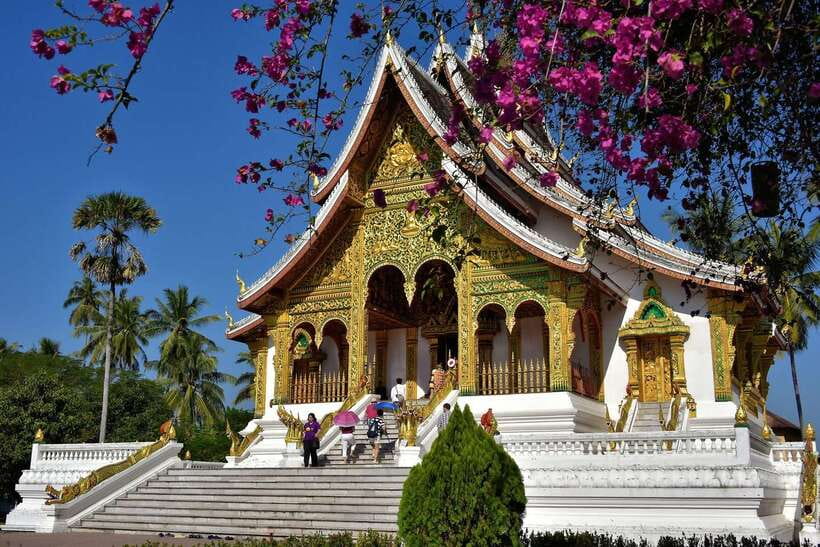
The morning portion centers on Wat Xieng Thong, one of the most revered temples in Laos. This is not just a quick glance. You spend time exploring with your guide, who explains the typical Luang Prabang temple architecture, including the low, sweeping roof style that defines the skyline.
Then you continue with temple hopping nearby. This is where Luang Prabang’s religious art becomes a story you can read. If your guide is strong, you will understand what you are seeing, from painted temple details to how pilgrims move through the space.
A tip for your comfort: temples involve steps, uneven ground, and constant shifting crowds. Wear shoes you trust, and bring a light layer, since early mornings can feel cooler than you expect.
The Royal Palace story told through the National Museum
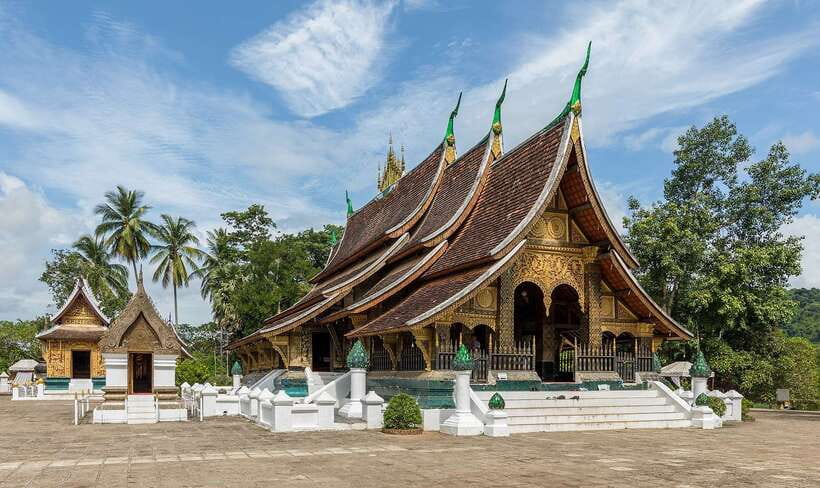
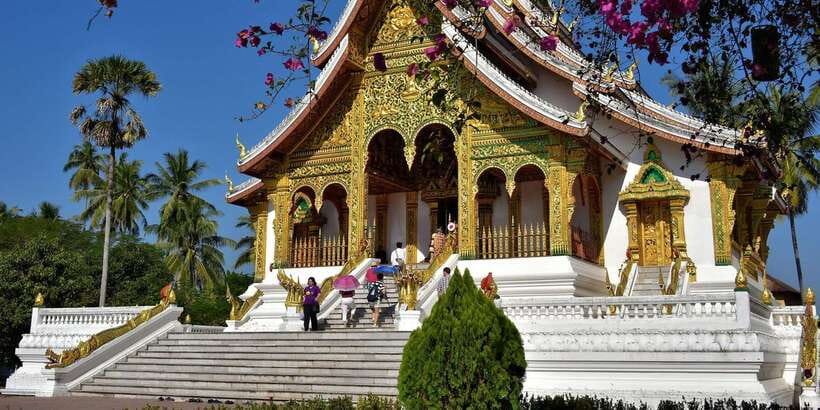
A major highlight is the former Royal Palace collection, shown through the National Museum of Luang Prabang. This is one of the best ways to understand why Luang Prabang matters historically. Instead of treating royal-era objects like decorations, the guide connects them to Lao history and court life.
You also get both styles of influence in one place. Expect Lao motifs alongside French Beaux-Arts touches, which helps explain how Luang Prabang sits at a crossroads of local tradition and outside influence.
If you are sensitive to strict rules, pay attention here: the Royal Palace dress code is strict. Both men and women need conservative clothing, and short skirts or shorts must be covered before entry. Do not wait until you arrive. Plan what you will wear so you can move in and out smoothly.
Other Lao towns worth a slow half day
- Luang Prabang City Tour & Kuang Si Waterfalls
★ 4.5 · 87 reviews - Small Group Half Day Luang Prabang city tour
★ 4.5 · 57 reviews - Private Luang Prabang City Tour
★ 5.0 · 27 reviews - Luang Prabang: Audio-Guided City Tour in Electric Car
★ 4.7 · 14 reviews
Mount Phousi climb: the view that stitches the day together
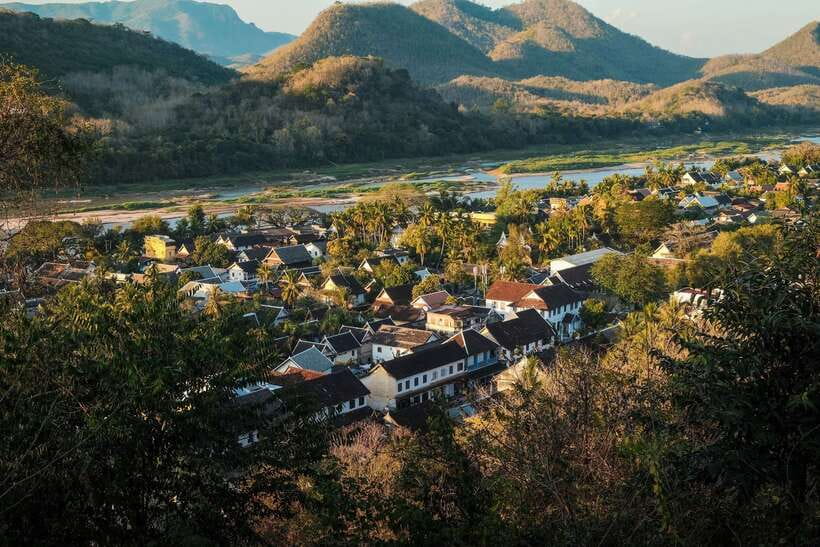
The tour ends its morning with the climb to Mount Phousi. This is a hike of hundreds of steps, and it is very much a shared experience. You are not just walking to a viewpoint, you are moving through a place with shrines and pilgrims, which makes it feel like part of the culture, not a detour.
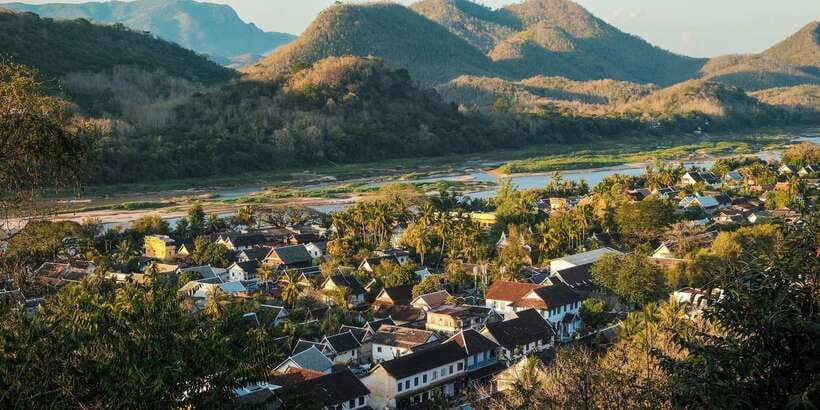
The payoff is the panoramic view over Luang Prabang. On clear days, you can see the river and the town’s layout, and even when the weather is overcast, the viewpoint still delivers a sense of scale. It is also one of those moments where you notice how the river bends and the town organizes itself around it.
What to consider: if your legs do not love stairs, tell your guide early. Guides often help people find a pace that works, and you can still enjoy the viewpoint even if you take it slower.
Kuang Si Falls and the Hmong cultural stop: nature plus meaning
If you choose a plan that includes Kuang Si Falls, you will have a longer time block at the site, plus the ticket is included on the option that selects it. The tour gives you around 3 hours for sightseeing at the falls, with included or built-in free time so you can wander, take photos, and enjoy the water at your own speed.
Kuang Si is not just one viewpoint. You can move around and see the falls from different angles, and the area naturally slows your pace. You are more likely to remember the sound and the cool mist than any single photo.
On the cultural side, the route also includes a Hmong village visit on the way back in the full-day structure. There is also a shorter Hmong culture stop (like an exhibition antique house segment) depending on the exact version you choose. The goal is to show how different ethnic communities live in the region, not just treat the day as temple sightseeing.
Practical note: plan for a hot, active afternoon. Even if the day is organized well, you will be walking and moving between stops, so bring sunscreen and drink water whenever you can.
Afternoon options: paper village, UXO history, and older temples
Full-day plans and longer options can take you beyond the “classic highlights” and into places with stronger context.
One common afternoon add-on is Ban Xang Khong, the paper village on the Mekong River. This stop is a look at craft and local production, and it breaks up the day nicely after temple and waterfall time. If you want a break from stairs and crowds, this part often feels more relaxed.
Another powerful stop is the UXO Lao Visitor Center, built around the history and impact of war in Laos. This is where the day shifts from sightseeing into reflection. You learn what unexploded ordnance means for communities and why the topic matters even today.
Then you may visit older temples such as Wat Wisunarat, described as the oldest temple in the area in the tour plan, and Wat Mai, noted as the largest temple in Luang Prabang. These stops give variety in temple architecture and scale, especially if you already saw Wat Xieng Thong in the morning.
Depending on your chosen option, you might also add other Mekong-side experiences or additional heritage structure visits. The key is that the afternoon tends to turn the trip from “see the sights” into “understand why they matter.”
Guide quality is the real value: names you might meet and why they matter
The standout theme from multiple guide experiences is storytelling with real perspective. Names that show up include Boun, Bun, Bounlouam, Som, Somchit, Sitthai, Nancy, Ken, Henry, Sack, and Lathte. Several guides have backgrounds tied to Buddhism, including former monks such as Boun and Bun, which changes the vibe.
When a guide has lived a religious path, temple details stop being decorative. You get straight answers about what symbols mean, how monks and daily life connect, and why certain ceremonies look the way they do. That is the difference between a checklist tour and a tour that actually sticks in your memory.
One practical tip from the pattern of experiences: if you care about a specific museum stop or a specific cultural add-on, ask about it before the day starts. That prevents disappointment and keeps your schedule aligned with what you booked.
Price, entry fees, and what to pack so the day stays easy
The base price is about $35 per person, and the biggest value is that you get hotel pickup and drop-off plus a local guide who ties the stops together. For a UNESCO city day that includes multiple major sights, this is strong value, especially if you would otherwise spend time building your own route.
But keep your budget honest with entry fees. The tour does not include some of the common temple and palace costs, and you pay cash on site. You are looking at about US$6 total based on the listed cash fees:
- Wat Xieng Thong: 30,000 LAK
- Royal Palace: 60,000 LAK
- Mount Phousi: 30,000 LAK
On options that include Kuang Si Falls, the waterfall ticket is included for the selected plan. The same goes for some other included admission items listed in the tour info, like Pak Ou Caves and the Hmong museum, if those are part of your chosen version.
What to pack for a smooth day:
- Clothing that can handle temple sites, plus a backup layer for the Royal Palace area if you need to cover up
- Shoes for stairs and uneven temple steps
- Cash for on-site temple and palace fees (and small bills if possible)
- A small day bag so you can keep things with you when you move between sites
Who this tour suits best, and who might want a slower plan
This is a strong fit if you want to see major Luang Prabang highlights without the hassle of planning. It also works well for first-timers because it gives you a sensible route: dawn culture, temples, museum context, viewpoint payoff, then optional waterfall and village depth.
It is also a good choice for families. Some guide experiences mention doing the day with kids, and the pacing plus frequent stops can help break the day into manageable pieces.
You might want a slower plan if you hate early mornings or if you want lots of time at waterfalls for longer swims or quiet lounging. This tour is designed for coverage, not long stretches of free time at every single stop, although Kuang Si does include a meaningful free window on the option that selects it.
Should you book this Luang Prabang UNESCO highlights tour?
Book it if you want a smart, structured day that mixes daily religion, royal-era context, and viewpoint magic, with hotel transport handled for you. The best decision point is whether to add the 6am alms-giving and market, because it is the part that feels most like living Luang Prabang, not just visiting it.
Skip or soften expectations if you prefer slow travel, or if you are not comfortable with strict dress rules for the Royal Palace. If you do book, do one simple thing that pays off: confirm your exact option in advance, especially which afternoon add-ons you selected, and bring cash for on-site temple and palace fees.
If you like your days well organized and full of meaning, this tour is a very solid way to see why Luang Prabang earns its UNESCO status.
More Days Out in Laos



More Tour Reviews in Luang Prabang

More Luang Prabang Days Out
Just added to the guide: more things to do in Laos
- Private Luang Prabang City Tour★ 5.0 · 3 reviews
- Luang Prabang Night-time Explorer★ 3.5 · 3 reviews
- 3 Days The Plain of Jars and Xieng Khouan (Depart from Luang Prabang)★ 5.0 · 3 reviews
- Luangprabang: Dinner with Lao Traditional Dance Performance★ 4.0 · 3 reviews
- Luang Prabang: Mekong River Cooking Class with Hotel Pickup★ 5.0 · 3 reviews
- Luang Prabang: Bamboo Forest Cooking-class & Farm Visit★ 5.0 · 3 reviews
Luang Prabang Tours, side by side.
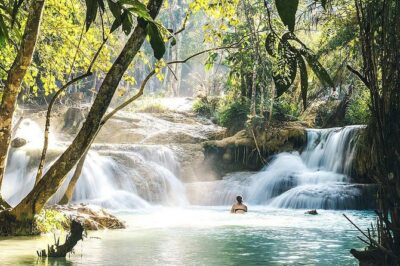 ★ 5.0Cruise to Pak Ou Caves & Kuang Si WaterfallsFrom $481,769 reviews
★ 4.8Cruise to Pak Ou Caves & Kuang Si WaterfallsFrom $521,360 reviews
★ 5.0Cruise to Pak Ou Caves & Kuang Si WaterfallsFrom $481,769 reviews
★ 4.8Cruise to Pak Ou Caves & Kuang Si WaterfallsFrom $521,360 reviews
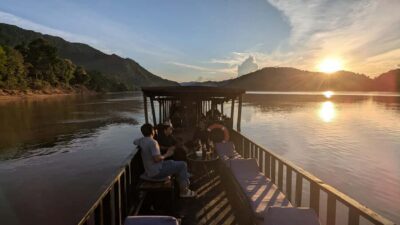 ★ 4.6Afternoon Kuang Si Waterfalls & Sunset CruiseFrom $35158 reviews
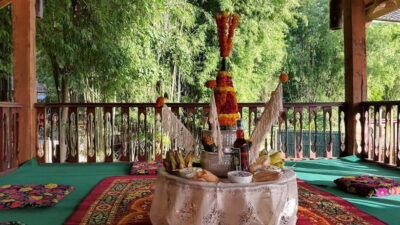 ★ 4.9Evening Cooking Class & Local Baci CeremonyFrom $51151 reviews
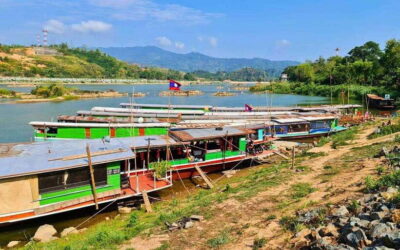 ★ 3.7Chiang Rai: 2-Day Transfer to Luang Prabang by Slow BoatFrom $75149 reviews
 ★ 4.4Kayak Tour to Pak Ou CavesFrom $43115 reviews
 ★ 5.0Bamboo Weaving Workshop & Cooking ClassFrom $4496 reviews
 ★ 4.5Luang Prabang City Tour & Kuang Si WaterfallsFrom $4487 reviews
Every list this tour turns up on