
REVIEW · LUANG PRABANG FARMS & ANIMAL SANCTUARIES
Luang Prabang: Bamboo Forest Cooking-class & Farm Visit
A cooking class in a forest sounds unusual, but this one feels real. I like that you work with Khmu culinary traditions through a hands-on day, starting with plant picking and ending with bamboo-cooked lunch, plus learning how bamboo is turned into useful tools. I also love the human side, like meeting a Khmu guide named Peng who brings agriculture know-how and makes the whole process feel personal. The main drawback is that this is active, hands-on forest time, so you should be comfortable walking and getting involved.
You’ll spend roughly 9 AM to 3 PM in a small group (max 10), which keeps things from feeling rushed or crowded. Transfers to and from your hotel are included, and the plan can be adapted to your needs if you tell them your dietary preferences or restrictions ahead of time.
By the end, you’re not just eating a meal, you’re taking something home you made yourself, bamboo cups and chopsticks. It’s the kind of souvenir that actually has a story attached, not one you buy and forget.
In This Review
- Key points to know before you go
- Bamboo cooking in Luang Prabang, built around Khmu daily life
- Getting set up: hotel transfers, timing, and small-group flow
- The vegetable farm stop: picking ingredients and learning plant IDs
- Into the forest: making bamboo utensils and setting up your cooking space
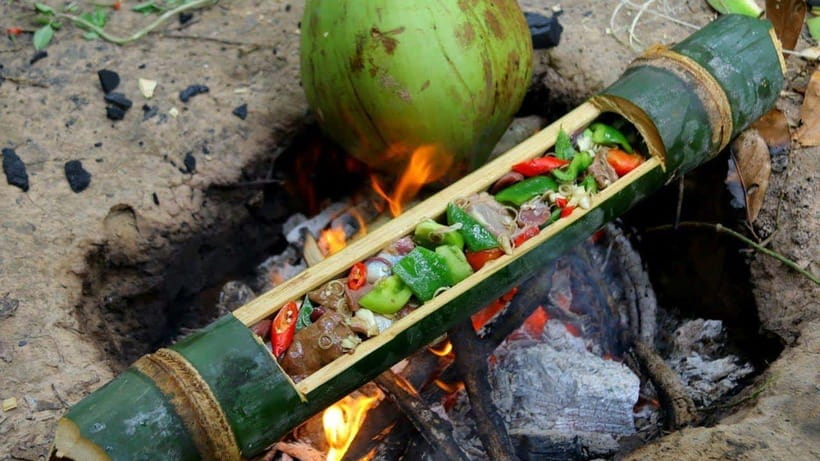
- Bamboo-cooked lunch: fragrant rice, grilled meat or fish, and Khmu presentation
- The plant lesson: edible, medicinal, and everyday-use knowledge you can apply
- The guide’s role (Peng and the Khmu agriculture background)
- Value check: what $100 buys on a forest cooking day
- What to bring and how to dress for a forest kitchen
- Who should book this, and who might skip it
- Craft village stop: the optional detour that adds context
- Should you book this Bamboo Forest Cooking-class & Farm Visit?
- FAQ
- How long is the Luang Prabang bamboo forest cooking experience?
- How much does it cost?
- How many people are in the group?
- Where do I meet the guide?
- Are transfers included?
- What languages are available for the guide?
- What does the tour include for lunch?
- Do you accommodate dietary preferences or restrictions?
- What should I bring for the forest part of the day?
Key points to know before you go
- Make your own bamboo cup and chopsticks using bamboo you prepare for the cooking setup
- Forage at a vegetable farm and learn how the Khmu identify edible, medicinal, and everyday-use plants
- Cook in the primary forest using traditional wild-cooking methods and bamboo techniques
- Eat lunch outdoors after you grill meat or fish and cook fragrant rice as part of the process
- Go with a small group and a Khmu guide who can explain what you are doing and why it matters
Bamboo cooking in Luang Prabang, built around Khmu daily life
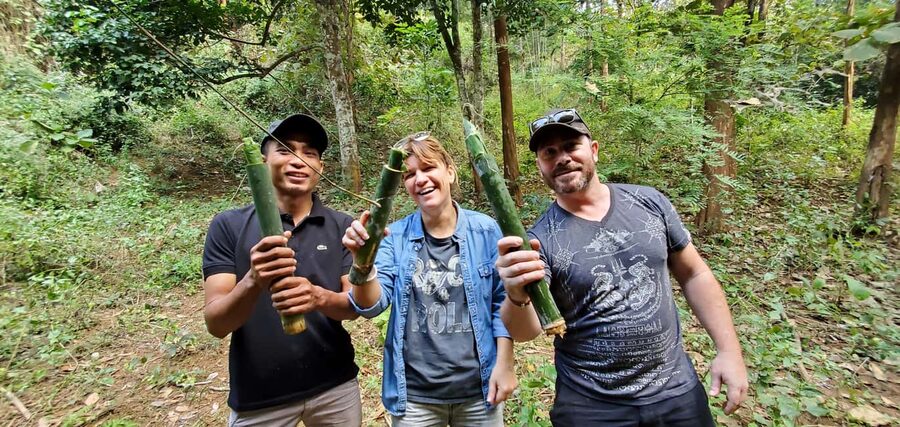
This is one of those Luang Prabang experiences that doesn’t feel like it was designed mainly for photos. The focus is on practical, village-style food knowledge: how plants become meals, how bamboo becomes tools, and how families cook and eat in the forest when they can.
What makes it stand out is the order of activities. You don’t start in a kitchen with a recipe and a time limit. You start with ingredients, then you make the gear, and only then do you cook. That pacing helps everything make sense, especially if you care about culture rather than just finishing a task.
Also, the meal is part of the lesson, not an afterthought. You’re taught how to select and prepare bamboo, how to cook fragrant rice, and how to grill meat or fish, then how to present your dishes in a way that matches Khmu family habits.
Staying on in Luang Prabang? Here is what else fills a day there
Getting set up: hotel transfers, timing, and small-group flow
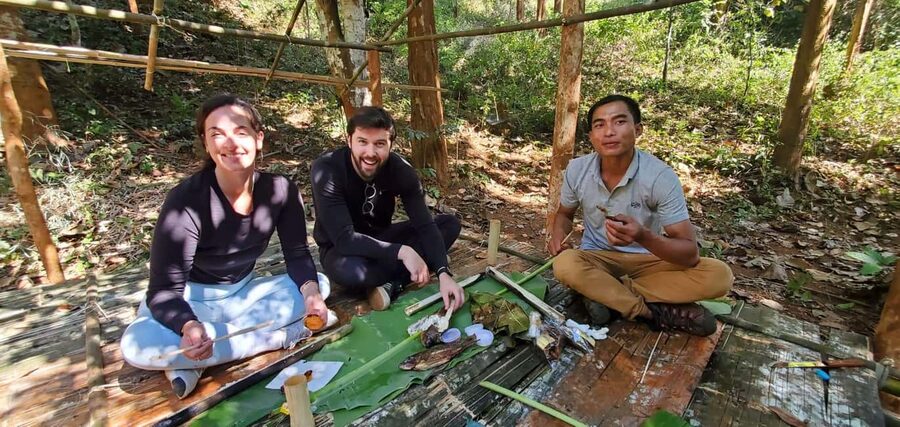
The day runs about 6 hours, typically from 9 AM to 3 PM. You’ll be picked up and dropped off from your hotel, and you meet at Notre showroom to begin. That matters because it keeps the day simple. You’re not trying to figure out transportation, parking, or confusing meeting spots while also getting ready for a forest outing.
Because the group size is limited to 10 participants, you get more time with the guide and less waiting around. This is the difference between a hands-on class that actually teaches, and one where you’re mostly watching.
You’ll also get a guide who can speak English, French, Thai, or Lao. If you want to ask questions while you work, this kind of language support is a big deal. It helps you understand not just what to do, but what the knowledge is for.
The vegetable farm stop: picking ingredients and learning plant IDs
Your day begins with an authentic vegetable farm where you pick the plants you’ll use later. This is not only “get ingredients for lunch.” It’s an introduction to a skill: identifying what to eat and how people use plants in daily Khmu life.
Your guide explains how to recognize edible and medicinal plants, plus plants used for everyday purposes. That’s a subtle but important difference. Medicinal does not mean you’re getting a medical lecture. It means you’re learning how people in the village think about plants beyond food.
What you do here sets up the rest of the experience. When you later cook with bamboo and wild-cooking methods, you already understand the ingredients you selected. It also makes the meal more interesting because you’re thinking, I chose this, I know what it does, and I understand why it belongs in the dish.
One practical consideration: even though it’s called a farm stop, you’re still on your feet and walking in natural settings. Wear decent footwear and expect uneven ground.
Into the forest: making bamboo utensils and setting up your cooking space
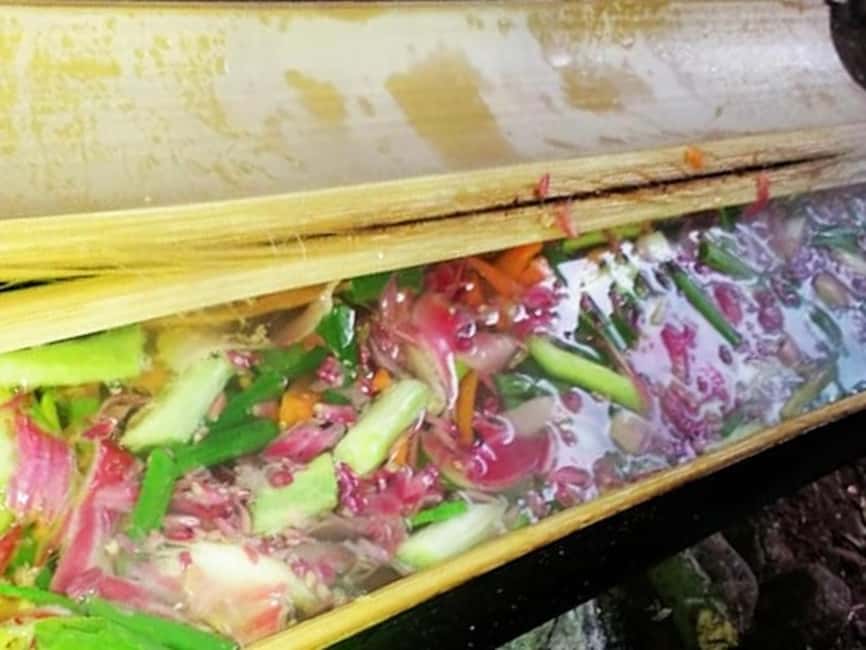
Next comes the primary forest, where the day shifts from plant knowledge to ancestral cooking technique. This is where you learn to make your own utensils using natural materials, especially bamboo.
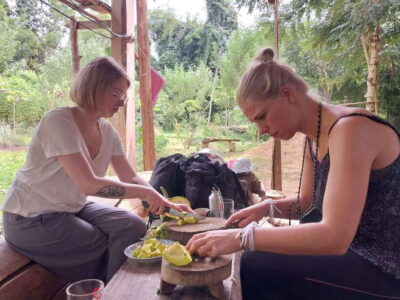
You’ll learn how to choose and prepare bamboo for cooking, and you’ll also make bamboo items meant for eating and drinking. The goal is not just a craft project. The bamboo you work on becomes part of how the cooking happens and how the meal is served.
It’s also where the “forest cooking” aspect becomes real. You’ll handle bamboo, set up a cooking area, and learn methods connected to wild cooking traditions. Expect to be hands-on and to pay attention. Cutting bamboo and working with it is not hard in the safety sense, but it is active work.
The other value of this forest segment is context. A cooking class can teach recipes. This one teaches a way of living, where food prep, tools, and the forest environment all connect.
More Lao kitchens that will teach you laap and sticky rice
- Luang Prabang: Cooking Class at the Former Royal Palace
★ 4.9 · 51 reviews - Day-time Bamboo weaving & Cooking Classes join-in
★ 5.0 · 38 reviews - Evening Bamboo weaving & Cooking classes join-in
★ 5.0 · 17 reviews - Tribal Cooking Class in Luang Prabang Forest and visit
★ 5.0 · 15 reviews
Bamboo-cooked lunch: fragrant rice, grilled meat or fish, and Khmu presentation
After the foraging and bamboo prep, lunch happens in the forest. You’re not arriving late for a ready-made meal. You cook as part of the process, then eat where you cooked.
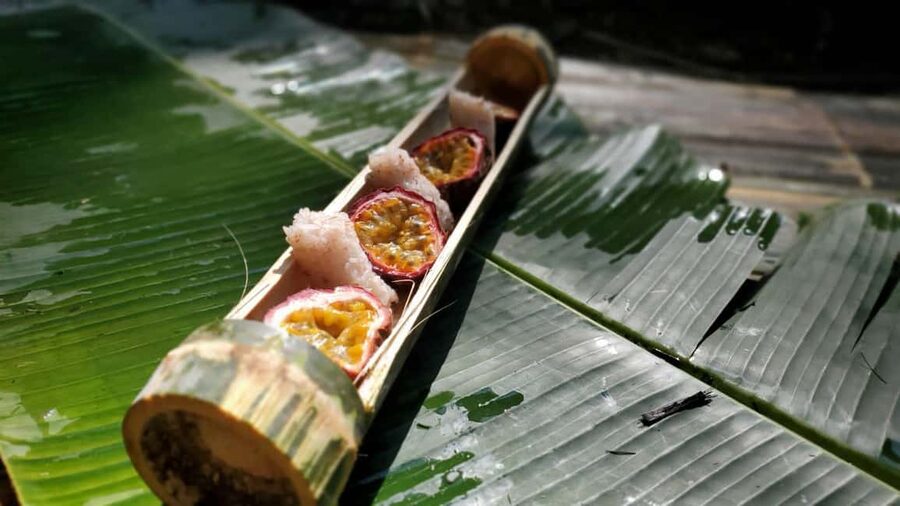
The food you prepare typically includes fragrant rice, plus options involving grilled meat or fish. Fruits are also part of the meal setup, and drinking water is provided. Your lunch is included, along with all the ingredients.
Presentation is part of the lesson too. You’ll learn how to serve and arrange dishes in a style that Khmu families still use. That may sound like a small detail, but it changes your experience. You’re not just eating, you’re finishing the full cycle of cooking and serving.
And yes, you’ll likely notice how the bamboo method affects the experience. Even without getting technical, bamboo cooking creates a different feel and aroma. The bigger takeaway is how the method fits the environment, rather than forcing modern kitchen rules onto the day.
The plant lesson: edible, medicinal, and everyday-use knowledge you can apply
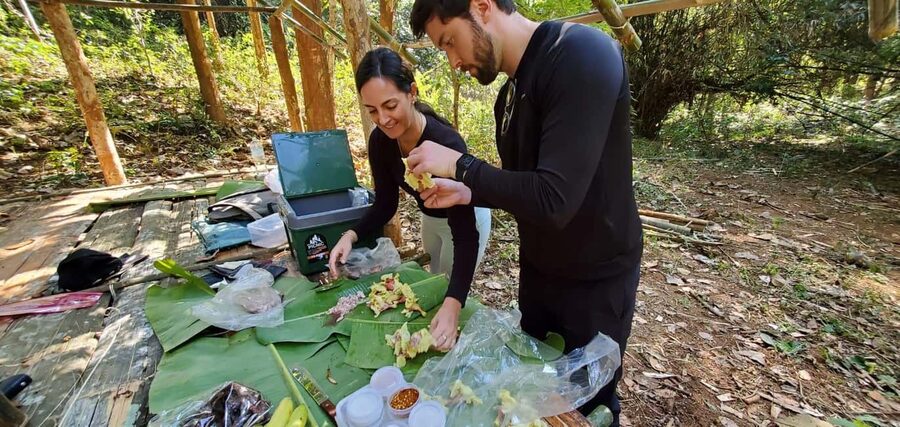
One reason this experience gets praised is the plant education. It isn’t only “look at this plant.” You’ll learn what to identify, which plants are used for edible purposes, which have medicinal use, and which are used day to day in village life.
This is practical knowledge in the broadest sense. Even if you never go foraging at home, you come away with a way to think about plants: as resources, not decorations.
If you have questions about safety or what you can and cannot eat, this is also the right type of class. Since you’re learning with a guide and within a controlled activity, you’re not left guessing. The guide provides the context for why each plant is handled the way it is.
Do keep your expectations grounded. This is a forest learning experience built for a cooking day, not a full botany course. Still, you’ll leave with a clearer sense of why Khmu communities can live closely with what grows around them.
The guide’s role (Peng and the Khmu agriculture background)
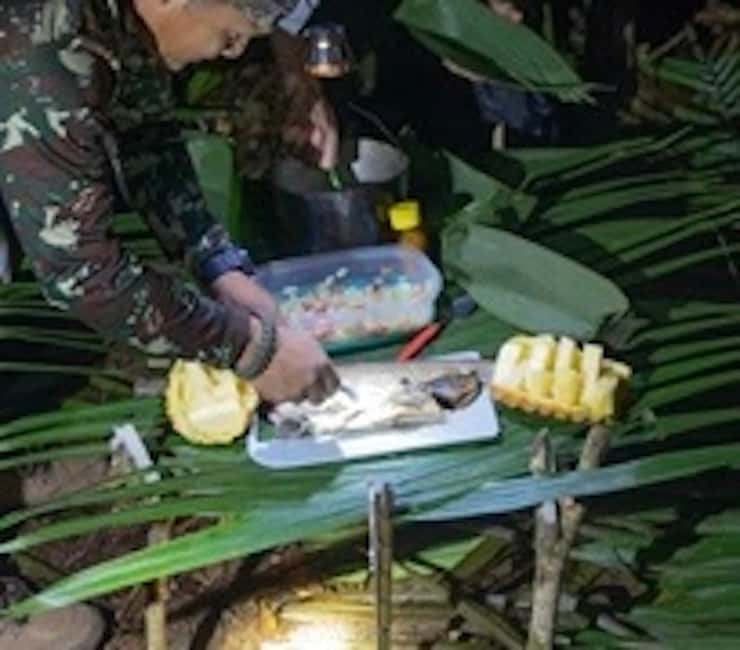
The experience rises or falls on the guide, and here that piece matters. One of the standout points from the better reviews is that the guide is Khmu and can explain the traditions from lived experience.
Peng is specifically mentioned as an excellent guide, with a teaching style that keeps things authentic and understandable. Another review notes a Khmu guide with an agriculture background and deep knowledge about how to live off the land. Put together, you get a guide who can connect what you are doing to why it’s done that way.
A helpful detail: the plan is designed so you can be as interactive as you want. If you want to jump in fully, you can. If you prefer to watch first and then try, the structure makes that possible. That balance is rare on excursions that claim to be hands-on.
Value check: what $100 buys on a forest cooking day
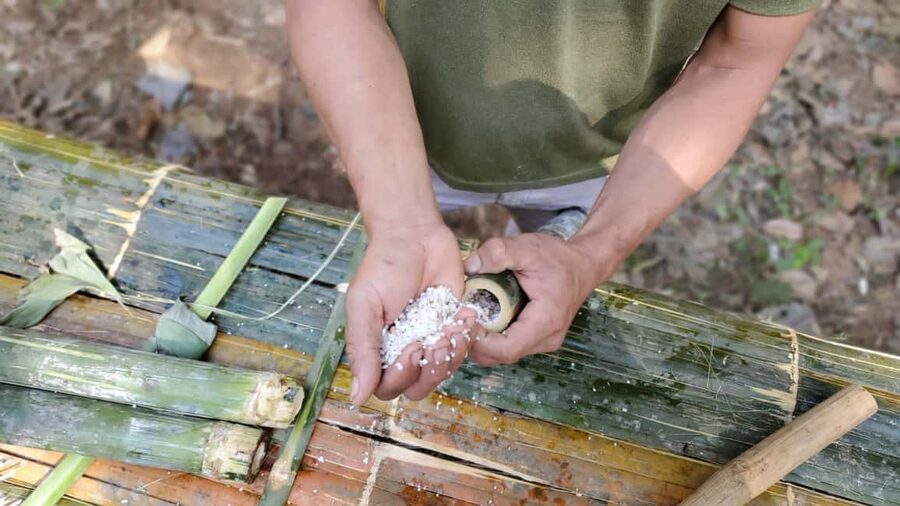
Price is always personal, so I’ll give you the value math in plain language.
At $100 per person for about 6 hours, you are paying for far more than a cook-along. The price includes transfers to and from your hotel, a small-group setup, a multilingual guide, all meal ingredients (rice, meat, fish, fruits, and drinking water), and tax and entrance fees. You also take home items you handcraft, like bamboo chopsticks and a bamboo cup.
If you compare that to typical cooking classes in town, those often focus on food only, with fewer cultural layers and fewer tangible takeaways. Here, the day is built around a full sequence of farm picking, forest craftwork, traditional cooking, and a meal in nature. Plus, the items you take home have real meaning because you made them where you learned.
One more value point: because the meal is cooked as part of the process, you’re less likely to feel like you paid for a performance. The day has a work rhythm that feels aligned with how the locals cook and gather.
What to bring and how to dress for a forest kitchen
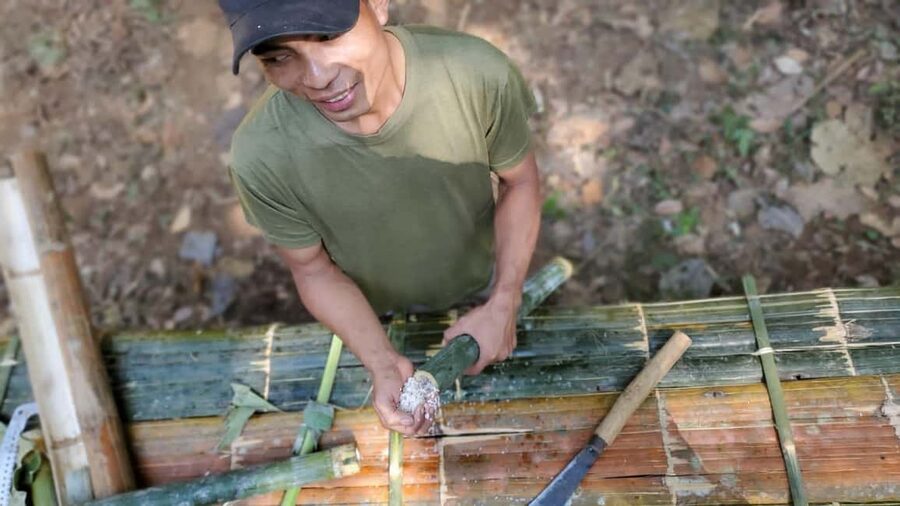
This activity is outdoors and in natural terrain, so dressing matters. They recommend:
- Long trousers or pants
- Suitable footwear for walking in the forest
- Mosquito spray
- A cap or hat
- Any essential personal items, including medication
I’d add a simple mindset: treat it like you’re going out for active nature time. You’ll be in the forest environment, working with bamboo, and walking between stops.
Also, plan for the day to involve heat and humidity. Hat, water strategy (drinking water is provided), and bug spray are not optional if you want the experience to feel comfortable.
Who should book this, and who might skip it
Book this if you want more than food. You’re looking for a day where you learn how plants connect to cooking, and where the tools come from the same environment you’re cooking in.
It’s also a strong choice if you like cultural learning that includes a real skill component. Making bamboo utensils and cooking bamboo-cooked rice and grilled items gives you a tangible result, not just a guided talk.
Skip it if you prefer a low-effort tour where you mostly observe and sit. This is hands-on forest time, and it’s easiest when you’re comfortable being active. Also, if you have strong concerns about insects or getting muddy feet, consider that forest conditions are part of the experience.
If you have dietary needs, you should still consider booking. The day can be tailored if you share your preferences or restrictions.
Craft village stop: the optional detour that adds context
On the way home, there’s an optional stop at a craft village. It’s not described as required, so think of it as a bonus layer. If you want to keep momentum and see more traditional crafts, you can add it. If you’d rather head back after a hands-on forest day, you can skip that extra time.
Should you book this Bamboo Forest Cooking-class & Farm Visit?
I think this is a “yes” for a specific kind of traveler. If you like hands-on culture, you’re curious about how Khmu communities use plants, and you want a meal that feels connected to the land, this is worth your time in Luang Prabang.
Book it if:
- You want to learn by doing, including making bamboo items
- You care about small-group experiences and clear guide attention
- You want a take-home item with a story, not a random market purchase
Consider skipping if:
- You want a casual, sitting-heavy tour
- You dislike forest conditions, bugs, and active work
- You only want restaurant-style cooking without plant foraging and bamboo craft steps
If you decide to go, pack the recommended forest gear and come with a curious, practical attitude. This experience rewards attention. When you pay attention, the forest cooking day clicks into place.
FAQ
How long is the Luang Prabang bamboo forest cooking experience?
It lasts about 6 hours, typically running from 9 AM to 3 PM.
How much does it cost?
The price is $100 per person.
How many people are in the group?
It is a small-group experience limited to 10 participants.
Where do I meet the guide?
The meeting point is Notre showroom.
Are transfers included?
Yes, transfers to and from your hotel are included.
What languages are available for the guide?
The guide speaks English, French, Thai, and Lao.
What does the tour include for lunch?
All meal ingredients are provided, including rice, meat, fish, fruits, and drinking water.
Do you accommodate dietary preferences or restrictions?
Yes, you should let them know your dietary preferences or restrictions so the experience can be tailored.
What should I bring for the forest part of the day?
They recommend long trousers, suitable footwear for walking in the forest, mosquito spray, a cap or hat, and any essential personal items such as medication.
More Farm and Animal Days
More Lao Kitchens to Cook In
More Luang Prabang Days Out
Just added to the guide: more things to do in Laos
- Private Luang Prabang City Tour★ 5.0 · 3 reviews
- Luang Prabang Night-time Explorer★ 3.5 · 3 reviews
- 3 Days The Plain of Jars and Xieng Khouan (Depart from Luang Prabang)★ 5.0 · 3 reviews
- Luangprabang: Dinner with Lao Traditional Dance Performance★ 4.0 · 3 reviews
- Luang Prabang: Mekong River Cooking Class with Hotel Pickup★ 5.0 · 3 reviews
- Luang Prabang: Bamboo Forest Cooking-class & Farm Visit★ 5.0 · 3 reviews
Luang Prabang Farms & Animal Sanctuaries, side by side.
 ★ 5.0Living Land Rice Farming ExperienceFrom $6493 reviews
 ★ 5.0Laos Elephant Sanctuary keeper+ Kuangsi waterfall +Hmong villageFrom $11825 reviews
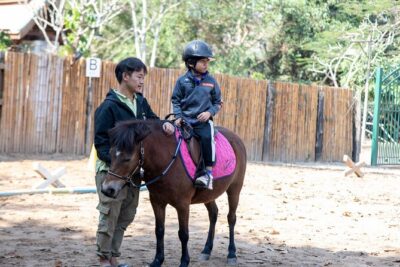 ★ 5.0Pony Riding in Luang PrabangFrom $5916 reviews
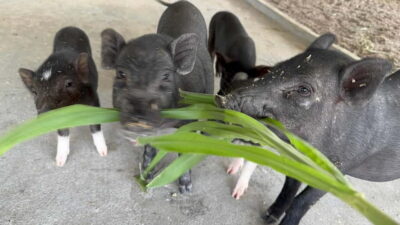 ★ 4.7Farm Tour and Buffalo Buffet AdventureFrom $1111 reviews
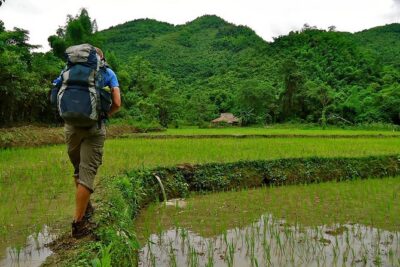 ★ 5.0Day Trek to Kuangsi Waterfall and Bear Sanctuary – Luang Prabang full day tourFrom $929 reviews
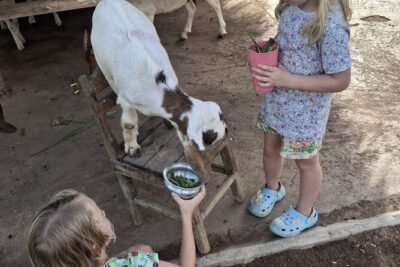 ★ 5.0Laos Buffalo Dairy Tours Interact, Learn and Taste Fresh FlavorsFrom $146 reviews
 ★ 4.4Organic Farm Experience & Hike to Kuang siFrom $794 reviews
Every list this tour turns up on